REVIEW · TOKYO
Mount Fuji 5th Station, Arakurayama, Oshino Hakkai and Hot Spring
Book on Viator →Operated by Scenic Bend · Bookable on Viator
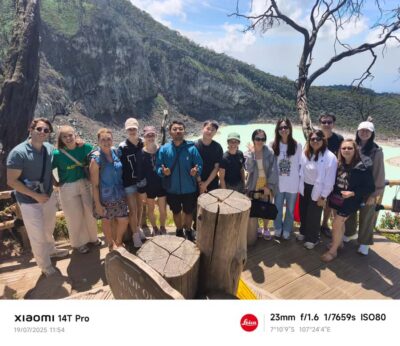
Fuji in one day sounds like a stretch. This tour makes it feel doable by stacking the best-known sights around Japan’s tallest peak into a 10-hour loop, with a licensed guide and free entry at the main stops. I especially like the switch between Mount Fuji 5th Station (or Arakurayama) and Oshino Hakkai, since you get both big views and those clear, snow-fed springs. The main drawback to plan for is pacing: time at each spot is fixed, and if visibility is poor or you want more wandering time, you may feel rushed.
One more thing I’d flag right away: this is built as a carpool-style schedule. That means your day follows the clock, not your mood. If that kind of structure fits you, you’ll enjoy the “see a lot, stress less” approach—and if it doesn’t, you’ll want a more flexible chartered option.
In This Review
- Key highlights you’ll feel during the day
- A Fuji Day Trip From Tokyo: What This Route Really Gives You
- Mount Fuji 5th Station vs Arakurayama Sengen Park: The Seasonal Switch
- Oshino Hakkai Springs: Why These Ponds Matter
- Gotemba Premium Outlets or Kinohana no Yu Hot Spring: Pick Your Finale
- Timing, Pacing, and Small-Group Reality (Up to 15 Travelers)
- Weather, Visibility, and What to Pack for a 10-Hour Day
- Price and Value: What Costs Extra (and What Doesn’t)
- Who Should Book This Tour (and Who Should Skip It)
- Should you book this Mount Fuji day tour?
- FAQ
- What’s the total duration of the tour?
- When is pickup in Tokyo?
- Which stop do I get first: Mount Fuji 5th Station or Arakurayama Sengen Park?
- Is admission included for the main sights?
- Do I have to pay extra for the hot spring?
- How large is the group?
- Can I cancel and get a refund?
Key highlights you’ll feel during the day
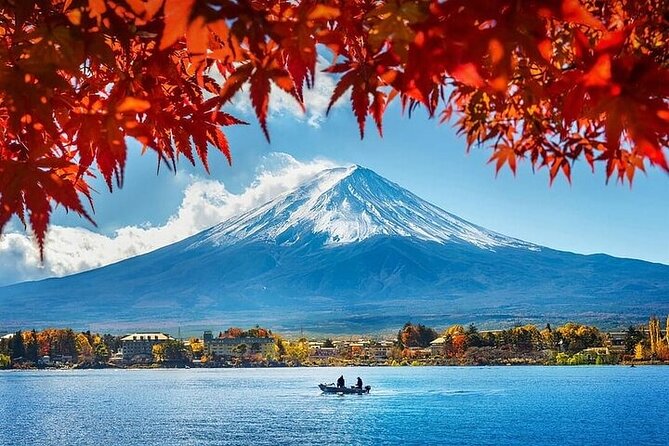
- Seasonal route switch (5th Station vs Arakurayama), so check your date before you assume which viewpoint you’ll get
- Oshino Hakkai’s eight springs fed by Mount Fuji snow water, often described as Jiuzhaigou
- Optional finale at Gotemba Outlets or Kinohana no Yu hot spring, so you can shop or soak
- Small group cap of up to 15 travelers, which helps the flow compared to giant buses
- Most big sights have free admission, leaving your budget mainly for food and the hot spring fee (if you choose it)
A Fuji Day Trip From Tokyo: What This Route Really Gives You
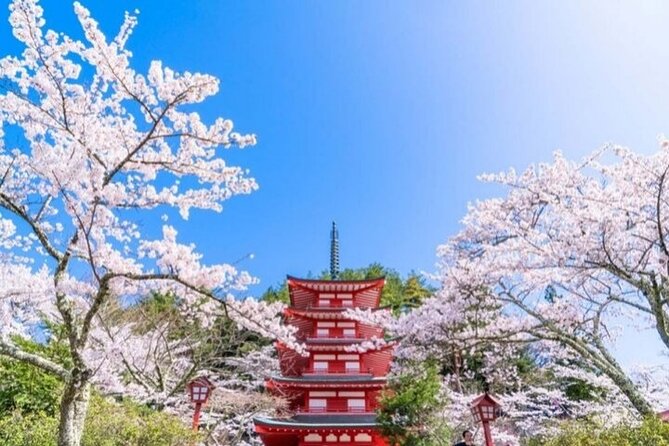
This is a classic Tokyo-to-Fuji day plan: early start, a long drive, and then short, focused visits designed to fit everything in before you head back. You’re not signing up for a slow, scenic photo walk. You’re signing up for “big icons, efficient timing.”
The value comes from two smart choices. First, the main sites you’ll visit have free admission, which removes a chunk of typical day-trip costs. Second, you get a licensed guide, so there’s someone in the mix who can keep you moving and help you interpret what you’re seeing.
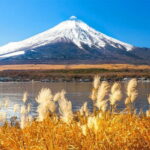
The tour also stays realistic about the one thing you can’t control: weather. Cloudy or rainy days can seriously reduce Mount Fuji visibility. On the upside, even without a perfect peak, Oshino Hakkai’s springs still have a clear, distinctive character.
You can also read our reviews of more tours and experiences in Tokyo.
Mount Fuji 5th Station vs Arakurayama Sengen Park: The Seasonal Switch
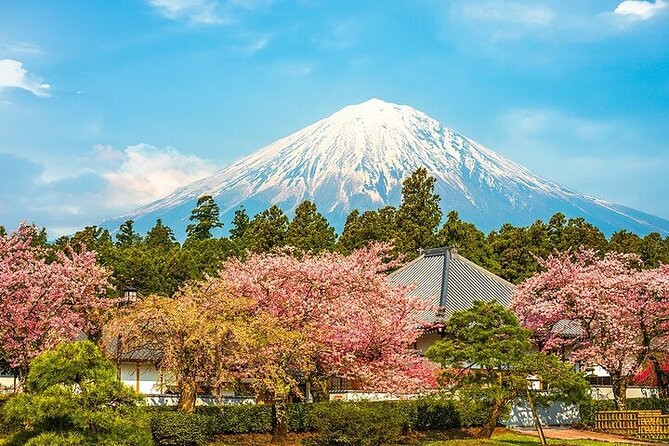
Here’s the part that can make or break expectations: the tour’s first viewpoint depends on the season.
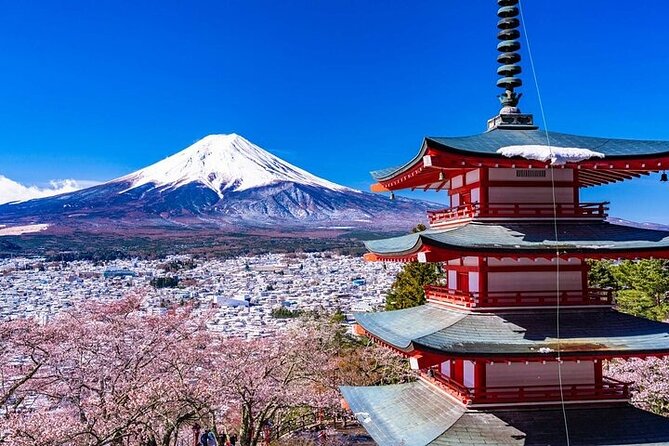
- From April 26 to November 30, you’ll go to Mount Fuji 5th Station instead of Arakurayama Sengen Park.
- From December 1 to April 25, you’ll go to Arakurayama Sengen Park instead of the 5th Station.
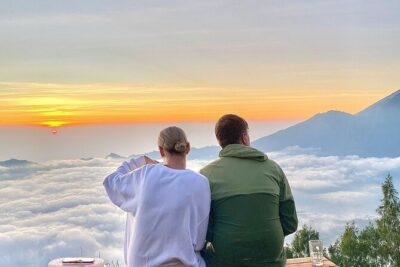
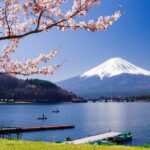
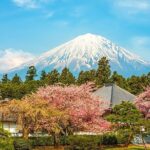
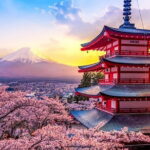
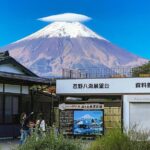
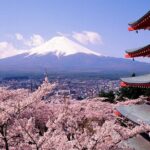
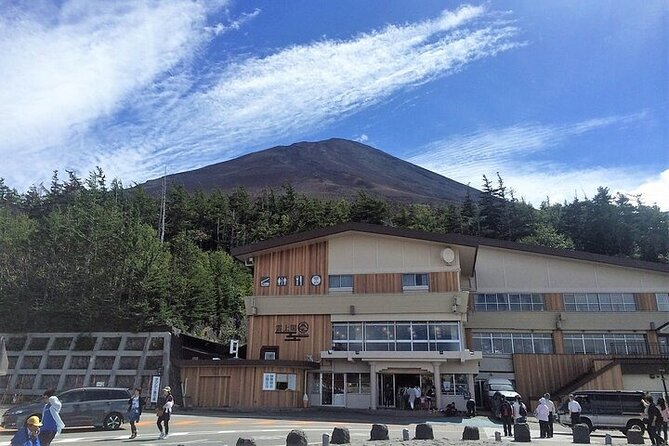
This matters because the two stops feel different. The 5th Station is the more “Fuji at eye-level” moment, built around being up near the mountain’s climbing route. In contrast, Arakurayama Sengen Park is a scenic spot with views that people associate with the wider Fuji area.
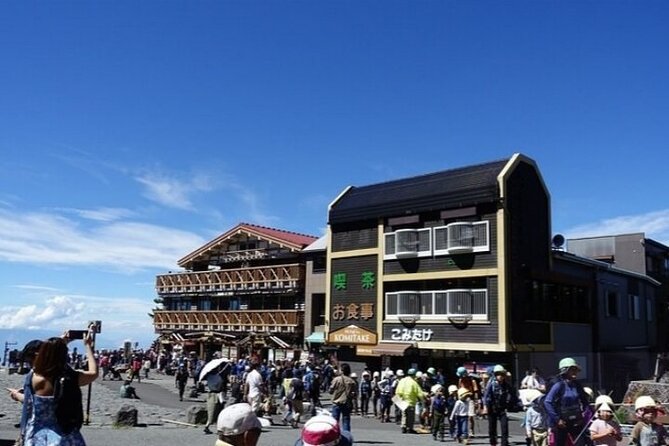
Time-wise, you should also know what you’re buying into. The 5th Station stop is about 40 minutes on this itinerary. That’s enough time to get your bearings, take photos, and see the vibe. But it’s not enough time for a long wander or lots of detours.
One more practical tip: if you’re counting on seeing the peak clearly, check the forecast the day before and again in the morning. The tour notes that visibility can drop fast on cloudy or rainy days. If the sky is thick, don’t let that spoil your attitude—adjust to appreciating what you can see rather than what you can’t.
Oshino Hakkai Springs: Why These Ponds Matter
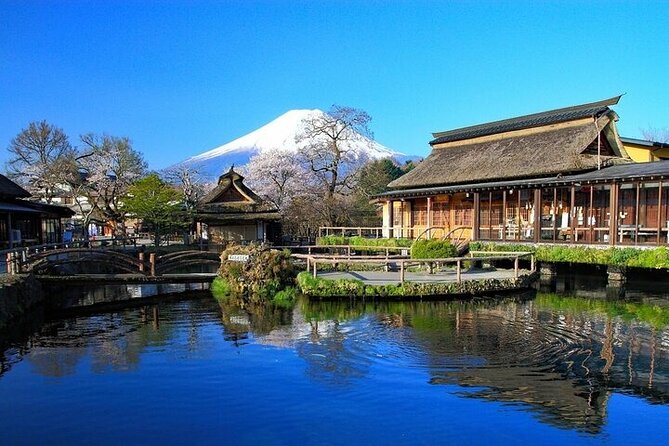
After your first Fuji-area stop, you’ll head to Oshino Hakkai, about an hour long. The springs here are famous for being fed by snow water from Mount Fuji. You’ll see a set of eight clear springs, and the area is often compared to Jiuzhaigou—that famous spring region—because of the water-driven scenery at the foot of Fuji.
Oshino Hakkai is also treated as a protected national monument-level site, so it feels more “kept” than typical tourist areas. This is one of the best moments on the day if you like sights that are specific and place-based, not just souvenir-heavy.
Because the time is limited (roughly 1 hour), I’d use it like this:
- Move efficiently through the core spring area so you don’t miss the central viewpoints.
- Spend your time where the water is most visible and quiet.
- Don’t plan to snack for long stretches. If you’re hungry, grab something quickly and get back to the springs.
If you’re expecting a long, leisurely nature stroll, temper that. This is more like a well-timed stop—enough to understand why Oshino Hakkai exists, not enough to treat it like a whole afternoon.
Gotemba Premium Outlets or Kinohana no Yu Hot Spring: Pick Your Finale
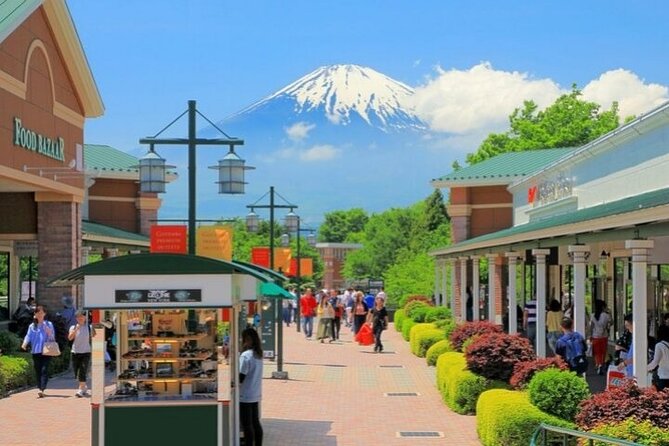
The final leg is flexible. You’ll choose one of two ways to spend your time near the end of the tour:
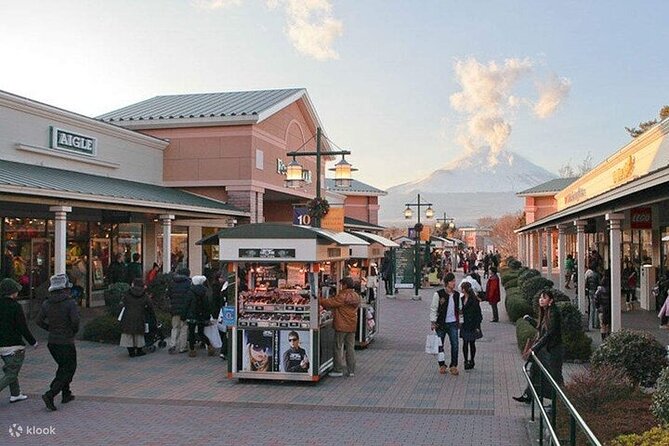
1) Gotemba Premium Outlets (about 2 hours)
This option is built for shopping—simple, direct, and easy. Since it’s a time-limited bus day, outlets can feel like the cleanest way to justify the drive back from the Fuji area.
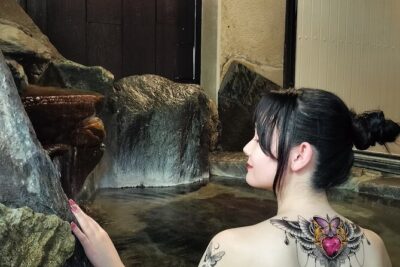
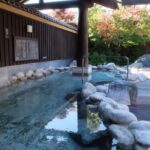
2) Kinohana no Yu hot spring (soaking with a view of Mount Fuji)
The hot spring option is the classic “you survived the day, now recover” choice. The big thing to know: bathing fees aren’t included. The tour lists a reference price of 1,600 yen on weekdays and 1,900 yen on weekends and holidays.
If you choose the hot spring, plan for that cost as part of your real budget. And if you choose outlets, remember you’re trading warmth and rest for shopping time. Neither choice is wrong—it’s just a mindset decision.
One subtle point: this segment is where your pacing will feel most noticeable. A detailed negative review I read centered on dissatisfaction with time distribution—especially feeling that certain stops didn’t get enough time and that long blocks were spent on either the onsen or outlets. That doesn’t mean every day runs the same, but it does confirm what you should watch for: your time allocation is fixed, and this is where you’ll notice it.
Timing, Pacing, and Small-Group Reality (Up to 15 Travelers)
This tour runs for about 10 hours and uses a pickup-and-dropback structure that starts near JR Tokyo Station. The meeting point listed is JR Tokyo Station (Marunouchi area). Pickups are offered around 8:00 am or 8:30 am depending on your selected departure time.
With an upper limit of about 15 travelers, the group size is manageable. That helps the guide keep everyone together and helps the schedule stay steady. Still, it’s not a “do anything, anytime” day.
The tour also warns you that it’s a fixed itinerary for carpooling. That means:
- you should follow the stay times at each attraction,
- you should follow the driver’s arrangements,
- you shouldn’t assume you can easily extend your stop.
If you’re the type who likes to linger for “just one more photo,” this structure can feel tight. If you’re the type who wants to hit the highlights efficiently, it’s a good fit.
Weather, Visibility, and What to Pack for a 10-Hour Day
Mount Fuji visibility is the big unknown, and the tour calls out that cloudy or rainy days can reduce visibility and possibly obscure the peak. That’s not just a polite note. It affects the emotional payoff of the day.
So pack and plan for both outcomes. Think layers. The Fuji area can feel cooler than Tokyo, especially early in the morning and near viewpoints. Comfortable shoes matter too, even if the walking is mostly short. You’ll likely move more than you think between bus stops, spring areas, and viewpoints.
Also keep in mind the day runs long enough that food becomes your responsibility. Food and drinks aren’t included. You’ll get time allotments for travel and lunch, but the tour doesn’t bundle meals into the price.
Finally, bring what you need for paperwork safety. The tour advises carrying your passport and valuables with you and keeping them secure. That’s standard advice, but on a day with multiple stops, it’s extra important.
Price and Value: What Costs Extra (and What Doesn’t)
At $68.74 per person, this sits in a “good value for a guided day trip” zone—mainly because transport, tolls, and guide time are included for the full 10-hour run. The bigger savings comes from the fact that the core admissions listed for the key stops are free, including Mount Fuji 5th Station (or Arakurayama, depending on season) and Oshino Hakkai.
Where the budget can shift is on choices and extras:
- If you pick the hot spring, you’ll pay the bathing fee (listed as 1,600 yen weekdays / 1,900 yen weekends and holidays).
- Lunch and snacks are on you.
- Any personal shopping at outlets is, obviously, your call.
Think of it like this: you’re paying for a managed route and a guide to connect the dots. Then you pay locally for what you personally choose—soaking or shopping—and for what you eat.
Who Should Book This Tour (and Who Should Skip It)
This tour suits you if you:
- want a single-day Mount Fuji hit from Tokyo,
- like the idea of checking off multiple famous stops without planning logistics yourself,
- don’t need long stays at each location to enjoy the experience.
You might want to skip it (or choose a more flexible style) if you:
- hate rigid schedules and short time windows,
- are traveling mainly for a long, slow photo session at the first viewpoint,
- are booking with very specific expectations about which viewpoint you’ll get and you didn’t double-check the seasonal switch.
If your priority is Mount Fuji visibility and you’re easily disappointed when clouds roll in, consider building in extra patience. The route can’t control the sky.
Should you book this Mount Fuji day tour?
I’d book it if you want an efficient, guide-led day that hits Fuji viewpoints, Oshino Hakkai springs, and a choose-your-own ending at either outlets or a hot spring. The price can make sense because the main admissions are free and transportation is covered.
I’d think twice if you’re the kind of traveler who needs extra minutes to linger at each stop. This schedule is fixed, and at least one detailed unhappy account I saw specifically complained about time allocation—especially feeling that certain stops were too short and that the seasonal expectation didn’t match what happened. If you’re booking, double-check your dates against the April 26–Nov 30 vs Dec 1–Apr 25 rule so your first stop matches what you want.
FAQ
What’s the total duration of the tour?
It runs for about 10 hours.
When is pickup in Tokyo?
Pick-up is offered from major Tokyo locations at either 8:00 am or 8:30 am.
Which stop do I get first: Mount Fuji 5th Station or Arakurayama Sengen Park?
From April 26 to November 30, the tour goes to Mount Fuji 5th Station instead of Arakurayama Sengen Park. From December 1 to April 25, it goes to Arakurayama Sengen Park instead of the 5th Station.
Is admission included for the main sights?
Yes. The tour lists admission tickets for the main stops (like Mount Fuji 5th Station and Oshino Hakkai) as free.
Do I have to pay extra for the hot spring?
Yes. Bathing fees are not included. The tour lists a reference fee of 1,600 yen on weekdays and 1,900 yen on weekends and holidays.
How large is the group?
The tour has a maximum of 15 travelers.
Can I cancel and get a refund?
Yes. You can cancel for a full refund up to 24 hours before the experience starts.