A Tokyo sento can feel like time travel. This 1954 bathhouse in Shinjuku gives you the real routine—step-by-step—inside a neighborhood place locals still use.
I especially like how Kosei’s guidance makes everything practical, from shoe lockers to the washing area, so you don’t feel lost. I also love that the experience ends with a classic cold bottle drink—often milk coffee or fruit milk—so the whole visit feels like a genuine habit, not just a photo stop.
One thing to consider: the session is about 1 hour, so it’s not meant for a long, slow day-spa linger.
In This Review
- Key highlights
- Why a 1954 Shinjuku sento beats a tourist onsen
- Meeting at Kagurazaka-shita and getting oriented fast
- Inside the bathhouse: shoe lockers, changing rooms, and the washing area
- Shoe lockers and personal space
- Changing rooms: calm and practical
- Washing area: where most first-timers need help
- Mount Fuji murals and why sento mattered after the war
- Soak or take it slow: options that help you feel comfortable
- A note on the guide and separate bathing
- What you get after the bath: bottled milk and soft drinks
- Shampoo and soap: included basics that remove friction
- Price and value: is $35.77 worth it?
- Who this tour fits best (and who should skip it)
- Practical tips before you go (so it feels easy)
- Should you book this Shinjuku sento experience?
- FAQ
- How long is the onsen/sento experience?
- Where do I meet the guide?
- What’s included in the tour price?
- Do I have to bathe during the visit?
- Is the guide male? Does that affect bathing for women?
- Is there free cancellation?
Key highlights
- A 1954 sento in Shinjuku that’s built for local use
- Bilingual guidance for the exact etiquette: lockers, washing area, and pools
- Mount Fuji mural context that explains why they’re there
- Optional options if you’re shy: observe, relax in the lobby, or take it slowly
- Bottled milk or soft drink included after your bath
- Small group size (up to 6) with a mobile ticket
Why a 1954 Shinjuku sento beats a tourist onsen
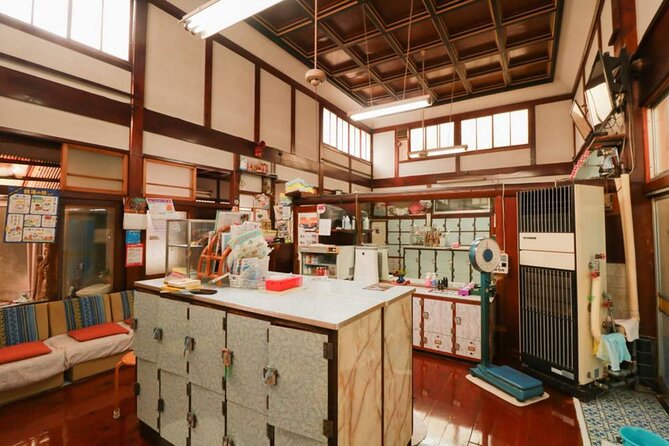
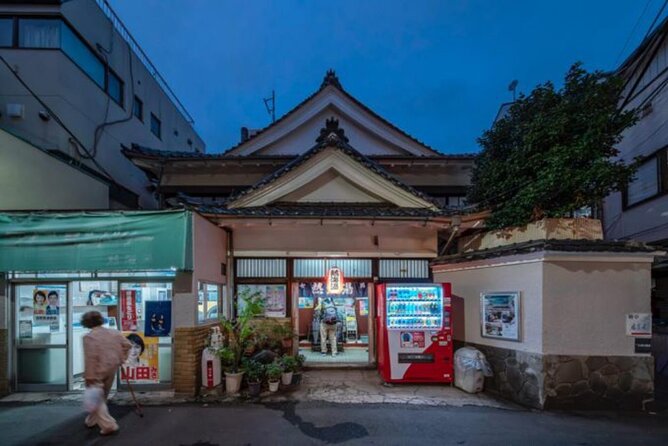
If you’ve done the big-name hot-spring spots in Japan, you may already know the vibe can be… controlled. This is different. You’re stepping into a retro bathhouse from 1954 that still serves the local neighborhood in Shinjuku, so the atmosphere feels lived-in, not staged for visitors.
This is also a great setup for learning without pressure. A bilingual guide shows you the basics of sento etiquette, which matters more than people expect. Once you understand where your things go and what you do in the washing area, the whole experience becomes calm and straightforward.
You can also read our reviews of more tours and experiences in Tokyo.
Meeting at Kagurazaka-shita and getting oriented fast
You meet at Starbucks Coffee – Kagurazaka-shita (Tokyo, Shinjuku City, Kagurazaka, 1-chōme 92, 秀永ビル). It’s an easy reference point for finding the group, and it keeps the start simple. From there, you’ll move to the bathhouse area together.
What I like about this structure is that it removes the awkward early moments. Before you step into the changing area, your guide helps you get your bearings. That means you’re not standing around scanning signs in a panic, trying to guess how the flow works.
The tour also stays small (max 6 people). In practice, that usually means you get real attention, not just a quick overview while everyone funnels in.
Inside the bathhouse: shoe lockers, changing rooms, and the washing area
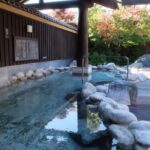
The core of a Japanese sento isn’t the water. It’s the order. Your guide walks you through the system: how to use shoe lockers, what to do in the changing rooms, how the washing area works, and how to move from washing to soaking.
This is where the experience turns from unfamiliar to manageable. The guide explains what you should do and what you should avoid, which is especially helpful for first-timers who worry about messing up. When you know the sequence, the whole thing feels like a ritual rather than a test.
Shoe lockers and personal space
In most sento setups, you’ll leave your shoes in a locker system. Your guide helps you understand how that works so you don’t waste time. It also sets the tone: you’re expected to follow the house flow, not improvise.
Changing rooms: calm and practical
In the changing area, you’re typically handling towels, clothing, and where everything goes. A guide-led explanation takes away the stress of figuring it out while others are moving around.
Washing area: where most first-timers need help
The washing area is the biggest “aha” moment for many people. You learn how to prepare yourself before entering the pool. Getting that part right is what makes your soak comfortable and respectful—like you’re joining the local routine instead of disrupting it.
Mount Fuji murals and why sento mattered after the war
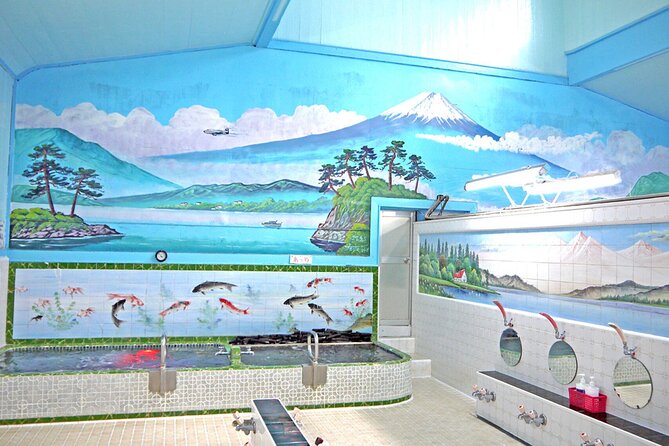
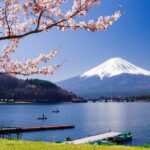
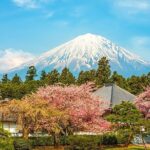
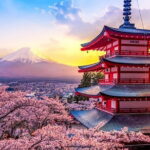
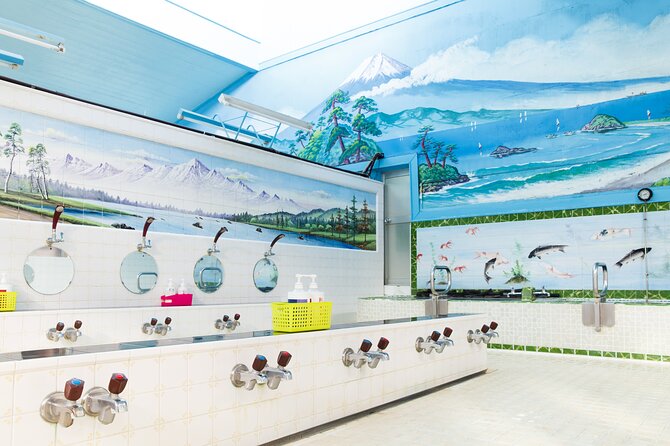
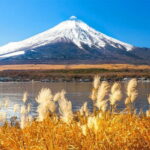
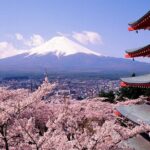
Once you’re oriented, your guide shares the story behind the bathhouse’s visuals—especially the Mount Fuji murals. Instead of treating them as decoration, the guide explains why they’re painted on the walls and how they connect to sento culture.
You also learn how sento supported postwar communities. That’s not trivia for trivia’s sake. It helps you understand why places like this exist beyond leisure. In many neighborhoods, sento were social anchors—places where people could reset after a day, catch a bit of community life, and take care of their bodies.
When you know that background, the murals stop looking like random artwork. They become part of a working local tradition—one that people kept going even when life was hard.
Soak or take it slow: options that help you feel comfortable
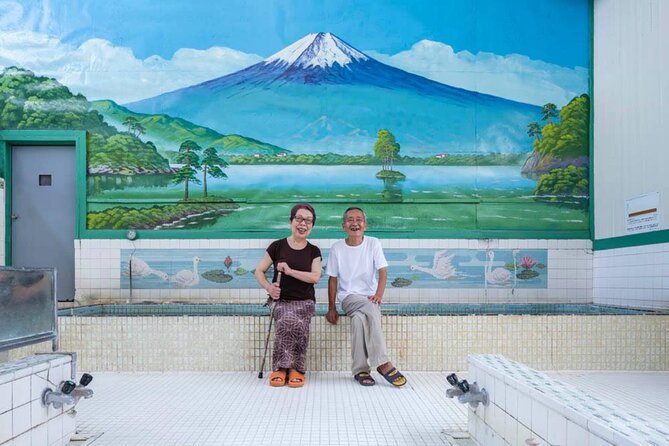
This isn’t a forced “get in the bath right now” experience. After the orientation, you can choose your comfort level.
If you want to bathe, you’ll be guided on what to do so you can follow the flow. If you feel shy or unsure, the guide offers alternatives. You might observe the architecture, look at the entrance murals, or relax in the lobby with a drink instead.
That matters. Your first sento visit shouldn’t feel like a dare. The guide’s job here is to help you understand the place so you can participate on your terms.
A note on the guide and separate bathing
The guide is male, so female guests enjoy the bath on their own without a guide. That’s one of those details that can make a difference for expectations. If you’re traveling with someone who cares about guidance inside the bath space, keep that in mind.
What you get after the bath: bottled milk and soft drinks
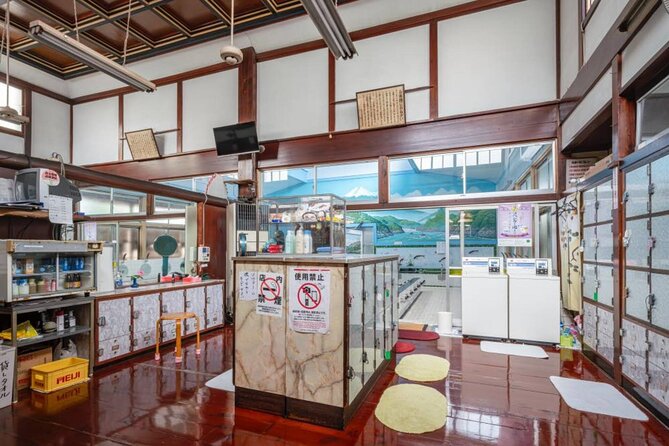
A sento visit has a rhythm: wash, soak, then cool down. The “then” part is where this tour really nails the local feel.
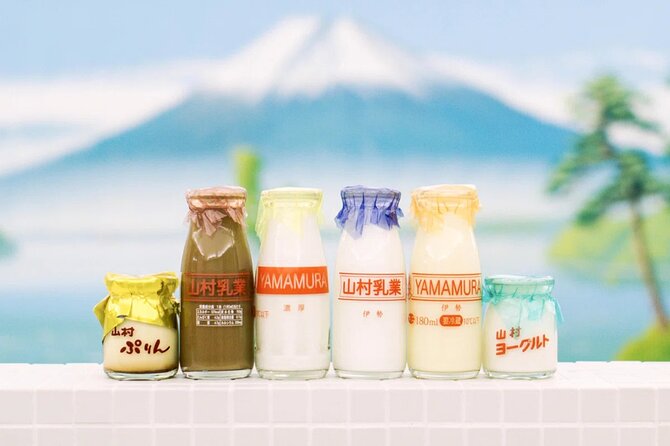
You receive one complimentary cold bottle drink after your bath—milk or a soft drink. The classics mentioned include milk coffee and fruit milk. It’s a small thing on paper, but it changes the ending. Instead of rushing out right after soaking, you get that familiar post-bath refresh that locals look forward to.
I also like that the drink is simple and practical. You’re warm, your throat might be a bit dry, and then you get something cold to settle you back into normal life. It’s the kind of detail that makes a cultural experience stick.
Shampoo and soap: included basics that remove friction
Some tours focus on telling you what to do and then leave you to figure out the rest. Here, shampoo and body soap use are included, which removes a common barrier—especially if you packed light.
That’s a win for value and convenience. You don’t need to bring products you might not use, and you can focus on understanding the sento routine itself.
Price and value: is $35.77 worth it?
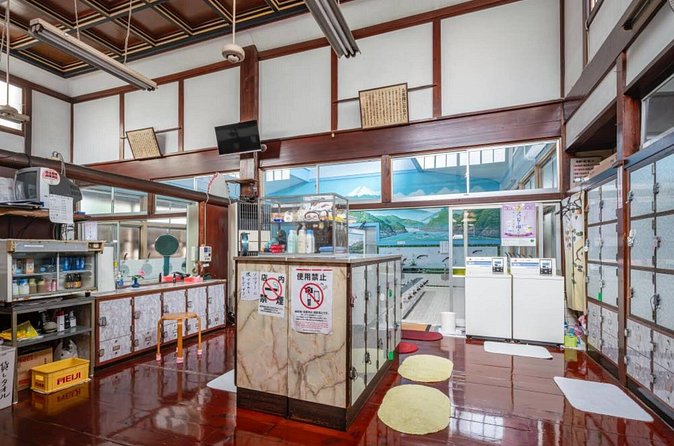
At $35.77 per person for about 1 hour, this isn’t the cheapest thing in Tokyo. But it’s also not priced like a luxury spa class. What you’re paying for is the guidance—specifically the practical etiquette coaching that helps you actually participate.
Here’s the value equation I see:
- You get real step-by-step instruction, not just a general explanation.
- Shampoo and body soap use are included, which keeps your costs down.
- A cold bottle drink is included, which turns the end of the experience into a local moment.
- Small group size (up to 6) keeps the experience more personal.
If your goal is comfort and cultural confidence—especially on your first sento—this price can feel fair. If you already know sento etiquette well and just want a bath, you might be able to do it independently. But for most first-timers, the guide’s help is exactly what makes this worth booking.
One more practical point: this experience is on average booked about 55 days in advance, so you’ll want to reserve early if your trip dates are fixed. Popular local experiences can fill up.
Who this tour fits best (and who should skip it)
This works best if you:
- are new to sento and want clear guidance
- want something local in Shinjuku, not a tourist-only bathhouse
- like learning how everyday Japan works—through etiquette and routine
- want an hour-long experience that doesn’t drag
It may be less ideal if you:
- want a long spa session with lots of free time
- dislike following set rules and a specific flow
- are only interested in soaking and don’t care about etiquette explanations
Also, if you have tattoos, you should treat the topic as something to confirm with the bathhouse directly. Bathhouse policies can vary, and nothing in the provided details confirms how tattoos are handled.
Practical tips before you go (so it feels easy)
A sento experience is simple, but preparation helps. Based on how these places run, I’d plan to:
- bring a towel-free mindset, since you’ll be using what’s appropriate on site (and shampoo/soap are included)
- keep your focus on the guide’s directions for locker use and the washing order
- be ready for a calm, steady pace rather than a rushed sightseeing pace
If you’re nervous, remember you have options. You don’t have to force yourself into the bath immediately. The guide can help you choose an alternative like observing the space or relaxing in the lobby with your drink.
Finally, don’t treat the murals as a quick backdrop. The tour is designed so you understand what you’re looking at, and that turns the walls into context.
Should you book this Shinjuku sento experience?
If you want a first sento visit that feels guided, respectful, and genuinely local, I think you should book it. The biggest reason is the human one: Kosei-style teaching makes the rules make sense fast, so you end up feeling comfortable instead of guessing.
Choose it when you value the process—etiquette, washing steps, and the cultural meaning behind the Mount Fuji murals—and you’re happy with an hour.
Skip it if your idea of onsen time is mostly about long soaking with minimal instruction. This tour is designed for beginners who want clarity and a proper local rhythm, not for people who already know exactly how sento works.
If your plan includes Shinjuku anyway, this is one of the best ways to spend a short block of time experiencing everyday Japan—clean, guided, and ending with that cold bottle drink you’ll actually look forward to.
FAQ
How long is the onsen/sento experience?
The experience lasts about 1 hour.
Where do I meet the guide?
You meet at Starbucks Coffee – Kagurazaka-shita (Shinjuku City, Kagurazaka, 1-chōme 92, 秀永ビル), and the activity ends back at the meeting point.
What’s included in the tour price?
You get shampoo and body soap use, plus one complimentary bottle of milk or a soft drink after your bath.
Do I have to bathe during the visit?
No. After the orientation, if you feel shy, the guide can offer alternatives such as observing the architecture or entrance murals, or relaxing in the lobby with a drink.
Is the guide male? Does that affect bathing for women?
The guide is male. Female guests bathe on their own without a guide.
Is there free cancellation?
Yes. You can cancel up to 24 hours before the experience for a full refund, and cancellation within 24 hours isn’t refunded.