REVIEW · TOKYO
Mt. Fuji 5th, Oshino Hakkai, Onsen Full-Day Trip From Tokyo
Book on Viator →Operated by Hotel Takitei · Bookable on Viator
Mt. Fuji, minus the transit headaches. This day trip runs on an air-conditioned van with a multilingual guide and built-in stops at Fuji’s viewpoints, Oshino Hakkai, and either an onsen or shopping time. I really like the way the schedule protects your day from Tokyo-to-Fuji logistics, and I like the hands-on nature of the stops like the snowmelt ponds. The one catch is also the biggest one for Japan: clouds can swallow the mountain.
The trip is designed for a straightforward, low-stress day: mobile ticket, pickup and drop-off from designated areas, and a max group size of 45. It also comes with a few real-world gotchas, like the fact that lunch isn’t included and onsen entry costs extra.
In This Review
- Key Points You’ll Care About
- Getting Off the Train and Into the Fuji Day
- Mt. Fuji 5th Station Monument: The Big View Stop
- Arakurayama Sengen Park: When the Schedule Wants a Photo Winner
- Oshino Hakkai Ponds: Snowmelt Water With Real Calm
- Konohananoyu Onsen or Gotemba Premium Outlets: Pick Your Ending
- Making a 10-Hour Schedule Work (Photo Timing Included)
- Weather, Cash, Crowds: The Stuff You Can Control
- Guide Energy: Why Names Like Anna, Betty, and David Matter
- Price and Value: What $56.14 Really Buys
- Should You Book This Mt. Fuji Day Trip from Tokyo?
- FAQ
- What does the tour include in the price?
- Do I get to choose between an onsen and shopping?
- Is Mt. Fuji 5th Station always part of the trip?
- How much does onsen entry cost?
- Are tattoo rules strict for hot springs?
- Will I definitely see Mount Fuji clearly?
- What should I bring for the day?
Key Points You’ll Care About
- Air-conditioned transport with pickup and drop-off from designated meeting areas
- Two top “Fuji regions” in one day: Fuji’s 5th Station area and Oshino Hakkai’s snowmelt ponds
- Winter route swap: from Dec 1 to Apr 25, you go to Arakurayama Sengen Park instead of Mt. Fuji 5th Station
- Choose your finish: Konohananoyu onsen or Gotemba Premium Outlets, with a Feb closure exception
- Weather is the boss: Mt. Fuji visibility isn’t guaranteed, so bring flexible expectations
- Onsen rules include tattoos: small tattoos may be covered, large tattoos aren’t allowed
Getting Off the Train and Into the Fuji Day
This tour is built for you if you do not want to fight transfers, timetables, and packed local buses. You get pickup and drop-off from designated areas, then spend the long stretch in comfort on an air-conditioned vehicle. You’ll also have a multilingual guide, and multiple reviews mention guides like Anna and David keeping things clear and easy to follow.
The meeting setup is simple but specific. You’ll look for a guide holding a yellow flag with the Gogoday logo, and you just tell them the name you used when booking. Arrive 15 minutes early, because the tour notes no refunds for late arrivals or no-shows.
One small but important rule: plan on not eating or drinking on the bus. This comes up in the practical feedback, and it makes sense for a long drive day.
You can also read our reviews of more tours and experiences in Tokyo.
Mt. Fuji 5th Station Monument: The Big View Stop
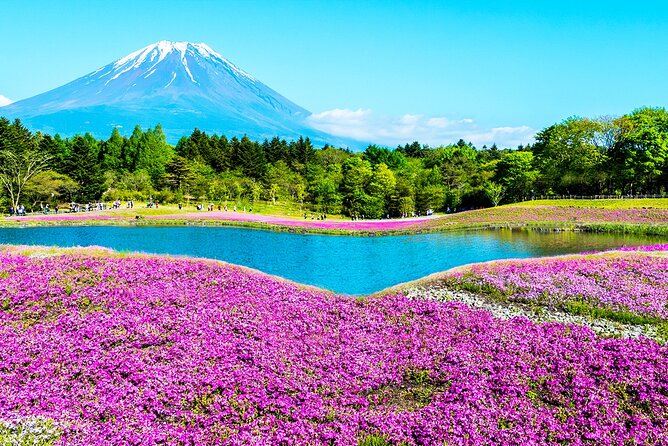
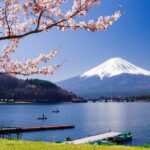
The star stop depends on the season. In normal conditions, you head toward the Mt. Fuji area and spend time around the 5th Station Monument. It’s about 40 minutes at this stop, with admission ticket included, and it’s timed for a good mix of photos and getting your bearings at higher altitude.
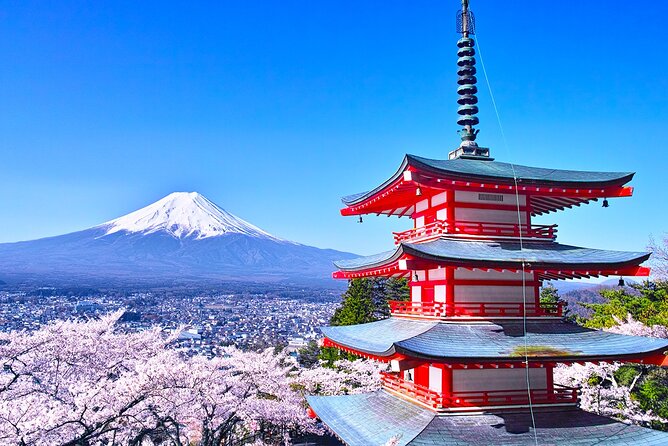
Here’s the winter reality: due to cold weather and access limits, from Dec 1 to Apr 25, you won’t go to Mt. Fuji 5th Station. Instead, the schedule shifts and you’ll visit Arakurayama Sengen Park as the key scenic stop. If your dates fall in that window, set your expectations accordingly, because you’ll still get a strong viewpoint experience, just not the 5th Station.
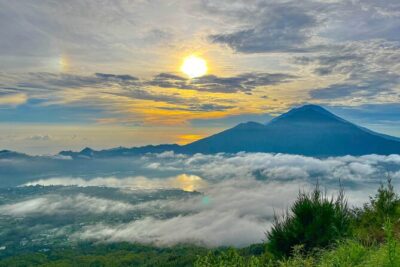
Also remember: visibility is never promised. Some days are clear and sharp; some days are clouds and fog. You’ll still do the stop, but the “wow peak” depends on the sky.
Arakurayama Sengen Park: When the Schedule Wants a Photo Winner
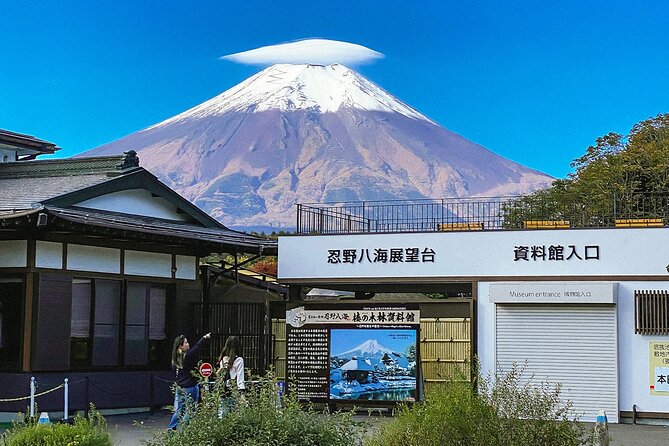
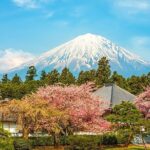
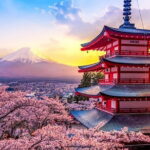
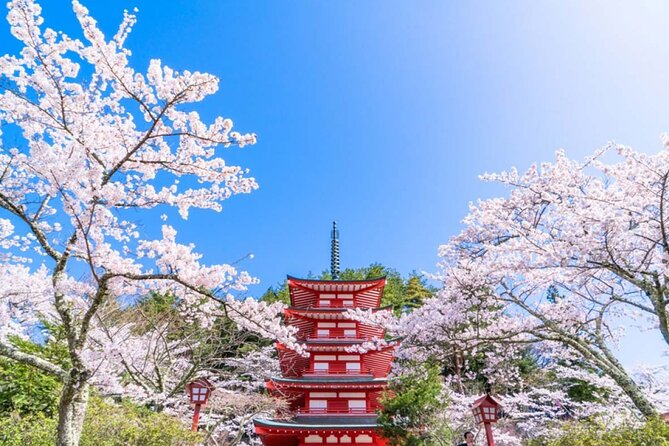
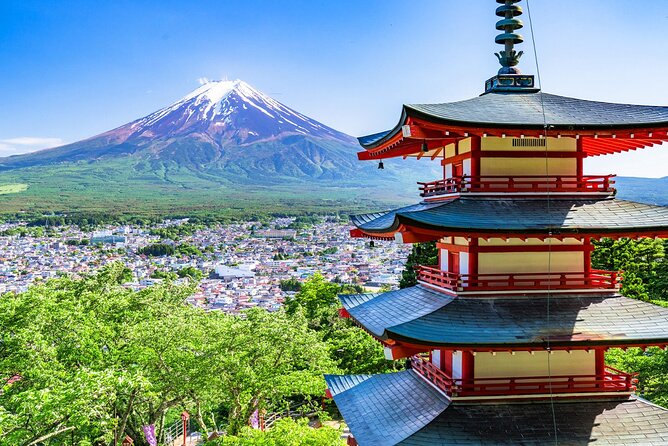
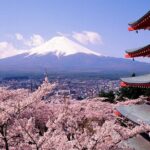
Arakurayama Sengen Park is the plan B that many people end up loving. The tour builds in about 1 hour here, and admission is included. You’ll also get time framed around views of Fuji and the iconic photo angles that have made this spot famous.
This matters because timing is everything on a short day from Tokyo. Even if Mt. Fuji 5th Station is off the table during winter, Arakurayama Sengen Park gives you a structured way to still chase strong mountain photos. If you’re traveling in the Dec–Apr period, this is where your “main Fuji moment” will land.
You should also expect photo crowding in peak seasons. It’s not a dealbreaker, but it does affect how long you can linger at the best angles. If you want fewer people in your shots, keep your camera ready and adjust fast when the line moves.
Oshino Hakkai Ponds: Snowmelt Water With Real Calm
After your Fuji-area viewpoint time, the pace shifts. You’ll go to Oshino Hakkai, where the focus is the sacred series of eight ponds fed by Mount Fuji snowmelt. Admission is free here, and you get about 1 hour to explore.
This is the stop that feels most like local “nature and water” rather than just viewpoints. You can walk, pause, and take in the clarity of the ponds. It’s also a great contrast to the busier 5th Station atmosphere because Oshino Hakkai tends to feel quieter and more village-like.
If you’re the type who likes understanding what you’re looking at, this is where a good guide pays off. Reviews often highlight guides who explain what makes Oshino Hakkai special and how the water system links back to Fuji. That context turns a quick photo stop into a more meaningful one.
Konohananoyu Onsen or Gotemba Premium Outlets: Pick Your Ending
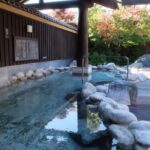
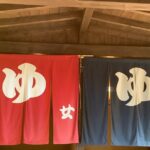
This is your big choice, and I like that the tour gives you a real trade-off. At the Konohananoyu onsen option, you’ll enjoy a traditional hot spring experience with admission not included, listed as $10.00 per person. If you’d rather shop, the alternative is Gotemba Premium Outlets, also built into the day.
In plain terms: the onsen is the best “reset button” after walking and driving. One key review takeaway is that people who chose the onsen often felt it was the most relaxing part of the day, especially when the weather limited Fuji views. Meanwhile, shoppers get a solid block of time to wander and buy, and you’ll find the usual outlet range rather than tiny souvenirs.
There’s one February exception you should know. On the third Thursday of February, both the outlet and the onsen are closed for a regular holiday. In that case, the tour swaps to Lake Yamanaka for sightseeing, or for a hot spring experience, depending on your choice. If your trip lands around that date, don’t assume you’ll see both options.
Tattoo policy also matters for the onsen. The tour notes that if your tattoo is smaller than a palm and there’s only one, you may cover it with a tattoo sticker. If the tattoo is large, hot spring entry is not permitted. If you’re unsure, check before you go.
Making a 10-Hour Schedule Work (Photo Timing Included)
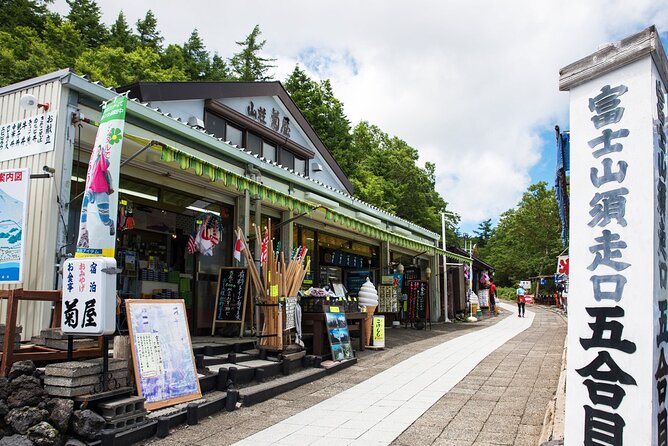
This is an efficient day: about 10 hours total, with multiple stops that are timed for viewing and photos. The tour also emphasizes scheduled photo opportunities, which is important because Fuji-area traffic can be unpredictable and parking lots can be slow.
In practice, you’ll want to think like this:
- Keep your camera charged and ready before each viewpoint stop.
- Use the “photo windows” wisely, because you don’t get all-day wandering.
- Don’t plan another big activity after your tour. Japan weekend and holiday traffic can push the return later than 8 p.m., and the company says it may shorten or adjust attraction times when necessary.
A few reviews also mention how guides help manage a larger group, which matters because crowd flow affects your time at each place. Guides like Andrew, Christie, and Kristy show up in the feedback for helping people stay on pace and find the right spots quickly.
If you want a calmer experience, you’ll do best showing up early at each stop and not waiting until the last five minutes to move.
Weather, Cash, Crowds: The Stuff You Can Control
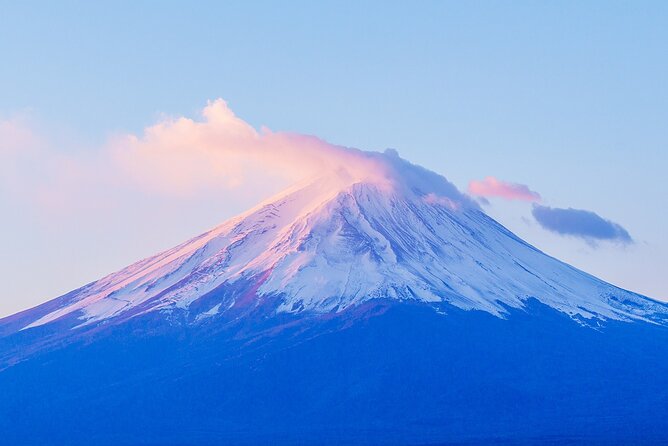
Mt. Fuji is famous for being moody. The tour explicitly warns that weather can change and visibility isn’t guaranteed. That’s not a cop-out; it’s the reality of the region. If you arrive to clouds, you still get the route and sights, but you may miss the sharp peak.
So pack for two days that could both happen:
- Bring layers, even in warmer months, because higher elevations can feel cooler.
- Bring your camera setup, but also plan for grey skies.
- Bring some cash, because some spots and restaurants may only accept cash in the Fuji area.
Crowds are another variable. Some attractions can get busy, especially in peak travel seasons. That affects how long you can linger at the best angles and how smoothly you can pass others.
One more practical note: the tour caps group size at 45. That helps, but it still means you should follow your guide’s timing. You’ll get better photos when you move as a unit rather than chasing shots on your own.
Guide Energy: Why Names Like Anna, Betty, and David Matter
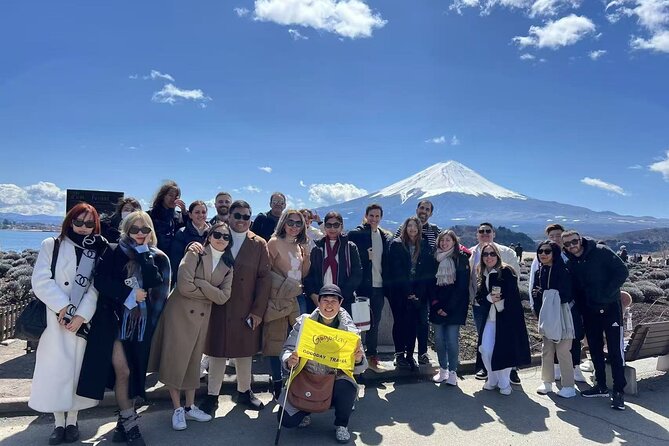
Guide quality is where this kind of day trip rises or falls, and the feedback shows it clearly. Many comments praise guides like Anna, David, Christie, and Kristy for being organized, clear, and helpful with language support. There’s also praise for leaders like Betty for extra care, especially when someone needed extra support.
What I like about the guide setup is that it’s not just “talk at you.” The guide role is practical: they help you understand what you’re seeing, manage the group, and keep you moving during traffic and crowd bottlenecks. That turns Fuji from a checklist into an experience with context.
Of course, there are always trade-offs. One lower score notes frustration with insufficient explanations and a mismatch in expectations. That’s a reminder that group tours can vary by guide and conditions. The good news is that the tour provides multilingual guidance in Japanese, Chinese, and English per the tour’s notes, so you can at least expect language support.
If you’re booking for the guide experience, keep your eyes open for the guide name in the pre-departure email, which includes the guide, driver, and vehicle plate details.
Price and Value: What $56.14 Really Buys
At $56.14 per person, this tour is mostly paying for four things: transportation out of Tokyo, guide time, the structured stop order, and access to the paid entries included at key points. You can think of it as you buying convenience and timing, not just sightseeing.
Here’s what you should expect to pay separately:
- Lunch is not included
- Konohananoyu onsen costs $10.00 per person if you pick the hot spring option
The “value math” is pretty straightforward. If you want to see Fuji-area highlights without navigating public transit, the air-conditioned van and pickup/drop-off can save you both stress and time. If your priority is only one or two stops, you might find cheaper options on your own. But if you want a bundled day that hits Fuji viewpoints plus Oshino Hakkai plus either onsen or outlets, the package can make sense.
I also think about the weather risk. Since visibility of Fuji is not guaranteed, you want a route where you still enjoy yourself when clouds show up. Oshino Hakkai and the onsen choice both help with that fallback.
Should You Book This Mt. Fuji Day Trip from Tokyo?
Book it if you want a simple, time-managed Fuji day with less logistics stress. The combo of Fuji-area viewpoints, Oshino Hakkai ponds, and a choice between onsen and outlets gives you flexibility when the weather changes. It also fits first-timers who feel overwhelmed by transfers.
Hold off or plan a different approach if your entire trip depends on seeing the peak crystal-clear. Even with great scheduling, Fuji is weather-dependent, and your best “mountain moment” can shift with cloud cover and seasonal route rules.
My practical advice: if your dates fall between Dec 1 and Apr 25, expect Arakurayama Sengen Park to be your core viewpoint stop. If you’re planning to use the onsen, double-check the tattoo policy and plan for the $10 entry fee.
If your goal is to get out of Tokyo, see the key sights, and come back with good photos and a relaxed ending, this tour is a solid choice.
FAQ
What does the tour include in the price?
The price includes an air-conditioned vehicle, pickup and drop-off from designated areas, and a multilingual guide. Some attraction admissions are included, but lunch is not included, and onsen entrance is extra.
Do I get to choose between an onsen and shopping?
Yes. At the Konohananoyu stop, you can choose the traditional hot spring bath, or you can choose shopping at Gotemba Premium Outlets. On the third Thursday of February, both may be closed and the tour uses Lake Yamanaka instead.
Is Mt. Fuji 5th Station always part of the trip?
No. Due to winter weather, from Dec 1 to Apr 25, Mt. Fuji 5th Station is not possible. During that period, the tour goes to Arakurayama Sengen Park instead.
How much does onsen entry cost?
If you choose the onsen option at Konohananoyu, the entrance fee is listed as $10.00 per person and is not included in the tour price.
Are tattoo rules strict for hot springs?
Hot spring entry depends on the tattoo. If the tattoo is smaller than a palm and there’s only one tattoo, it may be covered with a tattoo sticker. If the tattoo is large, entry is not permitted.
Will I definitely see Mount Fuji clearly?
No. The tour notes that weather is unpredictable and visibility of Mount Fuji cannot be guaranteed. You may see the mountain or you may get cloudy views depending on conditions.
What should I bring for the day?
Bring some cash, since some scenic spots and restaurants may only accept cash payments. Also plan to arrive 15 minutes early at the meeting point and keep an eye out for the guide holding the yellow Gogoday flag.