REVIEW · XIAN
Xi’an Terracotta Warriors, Huaqing Hot Spring, and Banpo Museum
Book on Viator →Operated by China Theme Tour · Bookable on Viator
Three ancient stops, one organized day. Xi’an’s past is the headline here, with Banpo Museum, Huaqing Hot Spring, and the Terracotta Warriors all in the same smooth run. I like that you get a full story from an English-speaking guide, not just photos and ticket lines.
The tour has real value built in: hotel pickup and drop-off, air-conditioned transport, entrance tickets, and a local lunch. It also shines when the guide is strong; in past tours, guides named Alice and Alicia were praised for excellent English and keeping the day coherent.
The main thing to consider is group size and organization. This is a group tour (up to 30), and one account mentioned the same minibus ran different mini-itineraries, which caused confusion and extra entry-fee talk for some people.
In This Review
- Key things to know before you go
- Banpo Museum and the Neolithic Yangshao world (plus a quick terracotta factory look)
- The terracotta reproduction factory: why that stop matters
- Possible drawback at this stop
- Huaqing Palace and the Huaqing Hot Spring gateside story (Xuanzong and Yang Guifei)
- What you’ll actually get from the scenery
- Possible drawback at this stop
- The Terracotta Warriors Museum: how the three pits create the “battle” feeling
- Why the guide’s commentary makes a difference
- A practical reality check
- Price and logistics: why $89 can feel fair (and when it won’t)
- The big value-maker: tickets and lunch bundled in
- The trade-off: group dynamics
- Tips to get better photos and a calmer day
- Wear for walking and unpredictable comfort
- Use photos strategically
- Ask your guide one good question at each stop
- Who should book this tour, and who should think twice
- Should you book this Xi’an day: Banpo, Huaqing Hot Spring, and Terracotta Warriors?
- FAQ
- How long is the tour?
- Is hotel pickup and drop-off included?
- What’s the meeting point?
- Do I need to pay for entrance tickets?
- Is lunch included?
- What order are the main sights visited?
- How long do I spend at each major stop?
- Is the guide in English?
- Is the tour only for good weather?
- Can I bring children?
- What’s the cancellation policy?
Key things to know before you go
- Door-to-door transfers keep the day from getting eaten by taxis and timing stress.
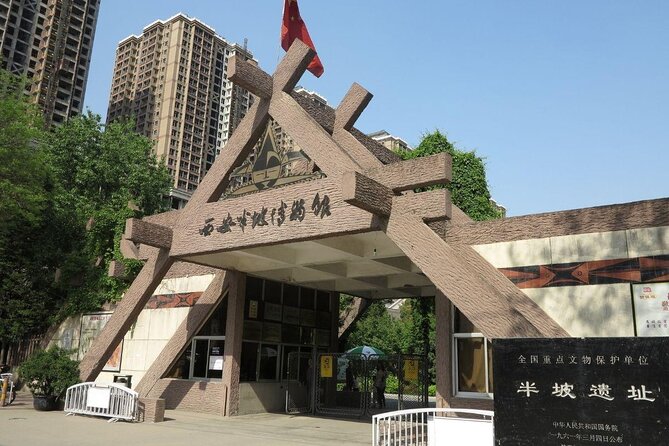
- Banpo Museum first means you start with the Neolithic foundation (Yangshao, around 6,000 years ago).
- Terracotta factory stop gives context before you face the real pits and battle formations.
- Huaqing Hot Spring timing is built around the scenic/palace mood and Tang Dynasty storytelling.
- A group cap of 30 can be fine, but it may not feel small, depending on who’s on the bus.
Banpo Museum and the Neolithic Yangshao world (plus a quick terracotta factory look)
This is where the day gains depth. You start in the morning with pickup from your downtown hotel lobby, guided toward the Xi’an Banpo Museum. Banpo sits on prehistoric remains tied to the Neolithic Yangshao culture. The big advantage here is order: you’re not jumping straight to the most famous “warriors” moment. You’re learning what came earlier—how people lived, and what the culture looked like—before you get swept up by emperor-scale spectacle.
You’ll spend about 3 hours at Banpo, following your guide through the site and narration of life from roughly 6,000 years ago. One of the tour’s most interesting angles is the mention of a matriarchal community in the Yangshao era. Even if you take that detail as a starting point for your own questions, it gives the museum a point of view instead of just dates and artifacts.
The terracotta reproduction factory: why that stop matters
After Banpo, the schedule includes a short visit to a Terracotta Warriors Reproduction Factory. This is not the same as seeing the original pits, but it’s smart for first-timers. Learning how the soldiers were made—at least at a high level—helps you understand why the real figures feel so lifelike.
A common mistake in Xi’an is saving the “how did they do it?” questions for later, when you’re already tired from rushing and lines. Here, you get a small dose of process before the main event.
Possible drawback at this stop
Because Banpo is your foundation, the pace matters. If you’re the type who likes to read every sign carefully, 3 hours can feel just-right or a little tight depending on the group speed and your photo habits. Go in expecting guidance-led viewing, not a slow self-guided museum day.
Huaqing Palace and the Huaqing Hot Spring gateside story (Xuanzong and Yang Guifei)
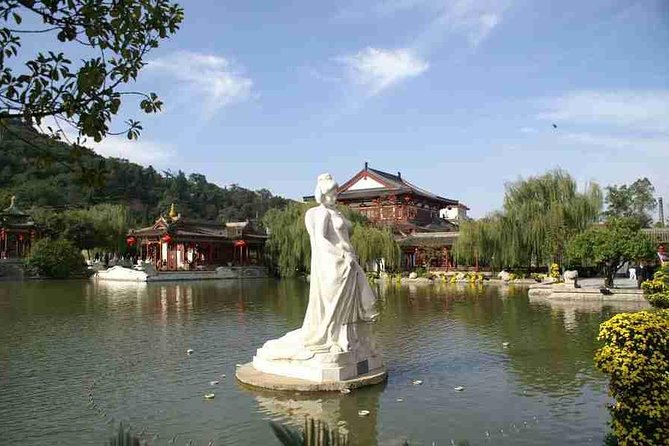
Next comes the emotional theater of the day: Huaqing Hot Spring and its palatial setting, often referred to through Huaqing Palace. You’ll have about 2 hours here, with admission included. The tour specifically has you enter from the gate marked with the inscription Huaqing Chi, which helps you feel like you’ve stepped into a named chapter of the site rather than just walking around looking for the best photo.
The guide storytelling is a key part of the experience. You’ll hear the romantic love story of Emperor Xuanzong and his beloved concubine Yang Guifei during the Tang Dynasty. That matters because it changes how you look. Instead of viewing buildings and courtyards as scenery, you start reading them as stage props for a famous narrative.
What you’ll actually get from the scenery
The tour description emphasizes scenic beauty and the palatial complex. In plain terms, this stop is for atmosphere: walkways, viewpoints, and that “this looks like it belongs in an old drama” feel. If you’re trying to balance your day—because the Terracotta Warriors can be overwhelming—this is your palate cleanser.
One of the highlights is the chance to capture photos at Huaqing Hot Spring. The best advice here is to treat photos as part of the story: aim for fewer, better angles near entrances and key viewpoints rather than trying to photograph every corner.
Possible drawback at this stop
Two hours sounds comfortable, but in a group setting, your time can get influenced by the pace of others. If the group is chatty or photo-heavy, you might feel the clock more than you expect. Still, it’s structured enough that you’re not likely to feel rushed out the door.
The Terracotta Warriors Museum: how the three pits create the “battle” feeling
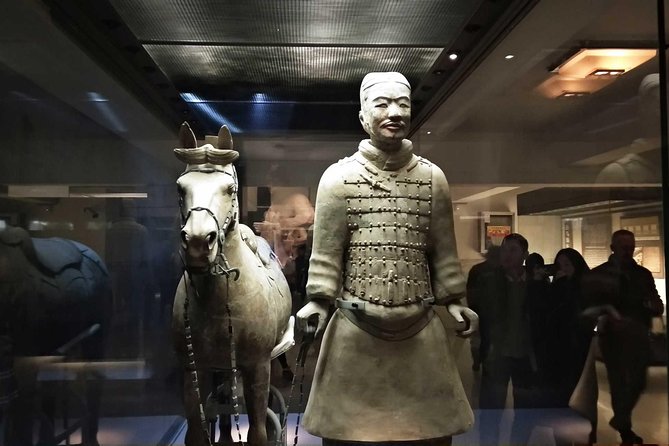
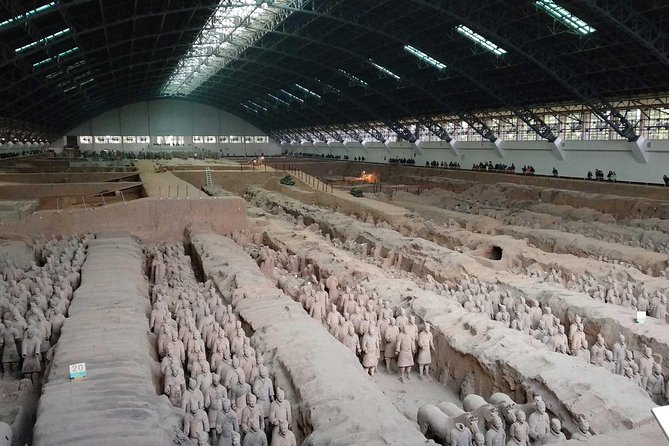
After lunch, you finish with the reason most people come to Xi’an. The Museum of Qin Terra-cotta Warriors and Horses gives you life-size terracotta warriors and horses arranged in battle formations. You’ll have about 2.5 hours inside, guided through the 3 pits in the order they were discovered, with commentary along the way.
That “order of discovery” detail is more useful than it sounds. When you see a site like this for the first time, it’s easy to treat it like a static exhibit. But by going pit to pit in a specific sequence—rather than wandering—you start to understand how the discovery process shaped what historians and archaeologists could piece together.
Why the guide’s commentary makes a difference
This is also where a strong guide earns their keep. The tour is set up so you don’t just look at rows of soldiers and move on. Your guide’s narration helps you connect:
- the scale of the figures,
- the arrangement into battle formations,
- and the sense that each pit is telling a different part of the larger picture.
In past tours, guides like Alice and Alicia were called out for excellent English and for helping the day make sense. That kind of clarity matters here because it’s easy to get lost in the sheer number of objects.
A practical reality check
Even with guidance, this is a high-demand stop. You’ll likely spend time walking, viewing, and re-positioning for photos. If you’re easily exhausted by crowds, plan for a slower internal rhythm. You’ll still want to cover the pits, but don’t feel pressure to sprint between areas.
Price and logistics: why $89 can feel fair (and when it won’t)
At $89 for an about 8-hour day, this tour is built to save you hassle. You’re paying for:
- group transport in an air-conditioned vehicle,
- an English-speaking guide,
- hotel pickup and drop-off,
- entrance ticket fees,
- and a local lunch.
For many first-time Xi’an visitors, the real “cost” isn’t just money. It’s time spent coordinating transport, buying multiple tickets, and trying to stitch a logical route together across neighborhoods and suburbs. This itinerary is basically doing that work for you.
The big value-maker: tickets and lunch bundled in
Terracotta-related days can get expensive once you add entry fees one by one, plus the transport costs of going point-to-point. Having tickets and lunch included means you can budget cleanly. You’re also less likely to get stuck at the last minute trying to find where to eat.
The trade-off: group dynamics
You’re not buying a private day. The group can be up to 30, and one experience mentioned 16 people in the tour. That’s not horrible, but it can still change how quickly you move and how often you can ask questions.
Also, one account described poor organization where the minibus handled three different itineraries. The takeaway for you is simple: if you want a very exact, no-surprises schedule, confirm that everyone in your vehicle is booked for the full set of attractions. If any portion is missing, you may face extra entry-fee discussion or waiting.
Tips to get better photos and a calmer day
This tour is straightforward, so your wins come from small habits.
Wear for walking and unpredictable comfort
It operates in all weather conditions, so dress appropriately for the day. Even if the itinerary is fixed, your comfort is what determines your photo stamina and attention level.
Use photos strategically
You’ve got photo moments at Banpo, at Huaqing Hot Spring, and at the Terracotta Warriors pits. The temptation is to shoot everything. Instead:
- take wide shots early (when you’re less tired),
- then switch to details (signs, gates like Huaqing Chi, and close views where the terracotta texture stands out).
Ask your guide one good question at each stop
A simple approach works:
- At Banpo: ask what a visitor usually misunderstands about the Yangshao era.
- At Huaqing: ask how the Tang Dynasty story connects to what you’re seeing around you.
- At the pits: ask what changes from one pit to the next.
When a guide is strong, this is where the tour goes from “seen it” to “understood it.”
Who should book this tour, and who should think twice
This day tour fits best if you want a structured highlights circuit without figuring out transport and entry timing yourself. It’s especially good for:
- first-timers in Xi’an who want context (Banpo before the warriors),
- people who prefer guided interpretation over reading everything alone,
- and anyone who appreciates a guide-led narrative, like the Xuanzong and Yang Guifei Tang Dynasty story at Huaqing Palace.
Think twice if you:
- hate group pacing and want maximum flexibility,
- need a smaller group for attention or quiet,
- or you’re sensitive to any hint of itinerary confusion. One account mentioned different itineraries running in the same minibus, so it’s worth verifying your exact inclusions before departure.
Should you book this Xi’an day: Banpo, Huaqing Hot Spring, and Terracotta Warriors?
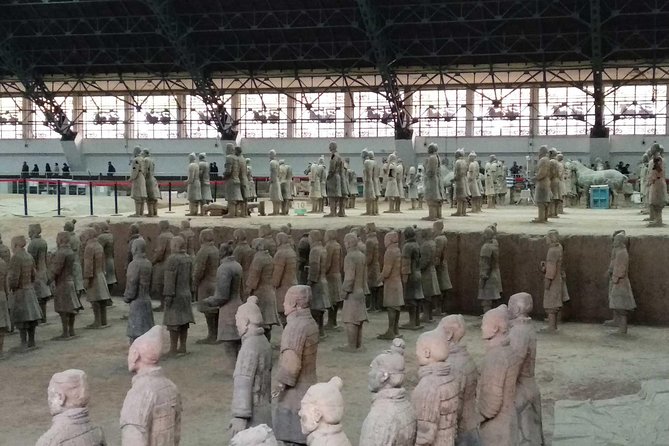
If your goal is a high-yield Xi’an day—Banpo first, then atmosphere at Huaqing, then the big Terracotta finale—this is a solid value package. The bundled tickets, lunch, and door-to-door transfers make the logistics painless, and a good English-speaking guide can turn it from a checklist into a coherent story.
I’d book it if you like guided context and you’re okay with a group day. I’d pause and double-check inclusions if you’re aiming for a very exact itinerary with no extra entry-fee conversations or waiting. Either way, go in with the mindset that each stop has a job: Banpo teaches the earlier world, Huaqing provides Tang-era mood and romance, and the three pits show the “why it matters” scale of the Qin-era command.
FAQ
How long is the tour?
The tour lasts about 8 hours.
Is hotel pickup and drop-off included?
Yes. Hotel pickup and drop-off are included, with door-to-door round-trip transfers.
What’s the meeting point?
The meeting point is Bell Tower Hotel Xian, 110 Nan Da Jie, Bei Lin Qu, Xi An Shi, Shan Xi Sheng, China, 710007.
Do I need to pay for entrance tickets?
No. Entrance ticket fees are included.
Is lunch included?
Yes. A local lunch is included.
What order are the main sights visited?
You start at Xi’an Banpo Museum, then go to Huaqing Hot Spring/Palace, and finish at the Museum of Qin Terra-cotta Warriors and Horses.
How long do I spend at each major stop?
Banpo Museum is about 3 hours, Huaqing Palace is about 2 hours, and the Terracotta Warriors and Horses Museum is about 2.5 hours.
Is the guide in English?
Yes. The tour includes an English-speaking guide.
Is the tour only for good weather?
No. It operates in all weather conditions, so you should dress appropriately.
Can I bring children?
Children must be accompanied by an adult.
What’s the cancellation policy?
Free cancellation is offered. You must cancel at least 24 hours before the experience’s start time for a full refund.