REVIEW · TAURANGA
Rotorua Geothermal Living Maori Village Tour Whakarewarewa 6.5hours Tour
Book on Viator →Operated by Cruise Tours Tauranga · Bookable on Viator
Rotorua hits you with real heat and real culture. You’ll tour the Whakarewarewa Living Māori Village, where daily life ties straight into bubbling geothermal pools and cooking by hangi, and you’ll cap it with a 30-minute Māori cultural performance including the Haka. The main catch is simple: it’s a long day with plenty of minibus time, and you’ll feel it most on round-trip travel days.
What I like about this outing is the mix of stops without wasting time, plus the comfort factor. You’re picked up and dropped off at the port area in an air-conditioned vehicle, you get safe viewing for the Pohutu geyser, and the group is capped at 20 travelers—small enough to ask questions and stay engaged.
In This Review
- Key things I’d mark on your mental map
- Why Whakarewarewa feels like a lived-in place (not a set)
- The geothermal show: springs, safe geyser watching, and hangi lunch
- The 30-minute Māori performance and the Haka moment
- Rotorua sightings in a way that actually respects your time
- Tauranga and Mount Maunganui: cruise-port convenience with real scenery
- Kiwi fruit country: the quick Te Puke stop that adds flavor
- Group size, guides, and what to expect in real life
- Logistics that can affect the day (and how to handle them)
- Price and value: is $166.93 a fair deal?
- Who should book this tour (and who might not)
- Should you book Rotorua Geothermal Living Māori Village?
- FAQ
- What’s the tour duration for Rotorua Geothermal Living Māori Village?
- Where do I meet for this tour?
- What does the tour include?
- Is the Pohutu geyser part of the experience?
- How many people are in the group?
- What should I wear or bring?
Key things I’d mark on your mental map
- Guided Whakarewarewa village walk led by a Māori villager, focused on how the community uses geothermal energy day to day.
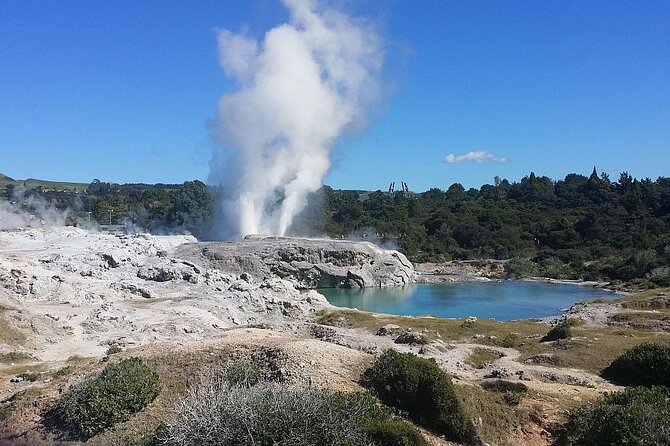
- Whakapapa-meets-practical moment: you’ll see Pohutu from a safe distance as it erupts naturally during the day.
- Hangi-style lunch cooked using the geothermal method you’re touring.
- A 30-minute cultural concert with singing, dancing, and warrior demonstrations plus the Haka.
- Rotorua and Tauranga sightseeing baked into the day so you’re not only doing one destination.
- Small-group feel (up to 20) even though the itinerary covers a lot of ground.
Why Whakarewarewa feels like a lived-in place (not a set)
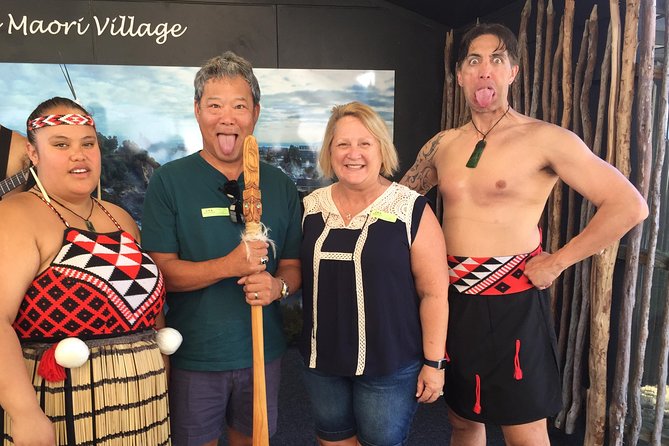
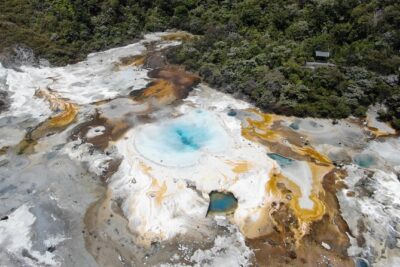
The heart of this tour is the Whakarewarewa Living Māori Village, in the geothermal zone around Rotorua. What makes it special is that you’re not just looking at history behind a rope. You’re meeting people who live with the geothermal environment as part of everyday routine—cooking, gathering, and moving around a landscape that’s basically running on heat.
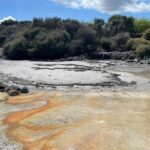
I like the format: you get a guided portion where your villager guide explains what you’re seeing and why it matters. That turns the “steam and rocks” look into something human and understandable. You also get time to walk among natural geothermal features—steaming springs and geothermal lakes—so it doesn’t feel rushed.
One practical note: Rotorua’s geothermal area has a smell. If sulphur odor bothers you, plan on it being part of your day. The upside is that you’re there for the real thing, not a sanitized copy.
You can also read our reviews of more tours and experiences in Tauranga.

The geothermal show: springs, safe geyser watching, and hangi lunch
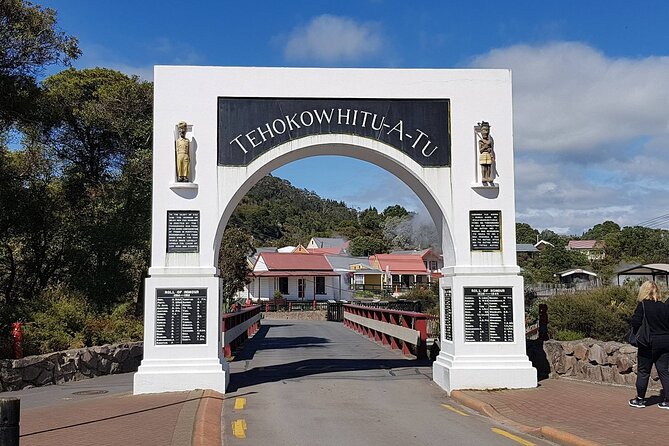
This is the part where most people think they already know what geothermal tourism is. Then they arrive and realize it’s more physical than photos can show.
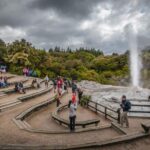
Inside Whakarewarewa, you’ll walk through areas where heat is used in everyday ways. The tour includes viewing the famous Pohutu geyser from a safe distance while it erupts naturally during the day. That timing detail is key. You don’t need to guess when it will blow—your visit is scheduled so you have a chance to see it during the eruption window.
And then you get the payoff: lunch. The tour includes a light meal cooked using the traditional hangi method. Translation: your lunch comes from the same geothermal concept you’ve been watching. It’s one thing to hear about thermal cooking; it’s another to eat something that was actually prepared that way.
If you’re the kind of person who likes to understand “how it works,” this day gives you more than a sightseeing tick box. You’ll connect the steam, the heat, and the cooking method into one story you can repeat later.
The 30-minute Māori performance and the Haka moment
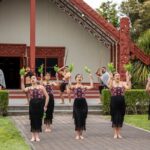
After the village walk, you’ll enjoy a Māori cultural concert lasting about 30 minutes. The program includes singing and dancing, plus warrior demonstrations. And yes, the Haka is part of it.
This isn’t an afterthought show. The cultural performance is timed as a highlight of the day, and it usually lands well because you’ve already met and learned a bit before you watch. By then, the energy of the dance and the meaning behind the performance feel more grounded.
Also, there’s a good “any age” factor here. The performance includes movement and rhythm that works for kids, teens, and adults. If your travel group includes mixed ages, you’re not betting everything on long walking.
Rotorua sightings in a way that actually respects your time
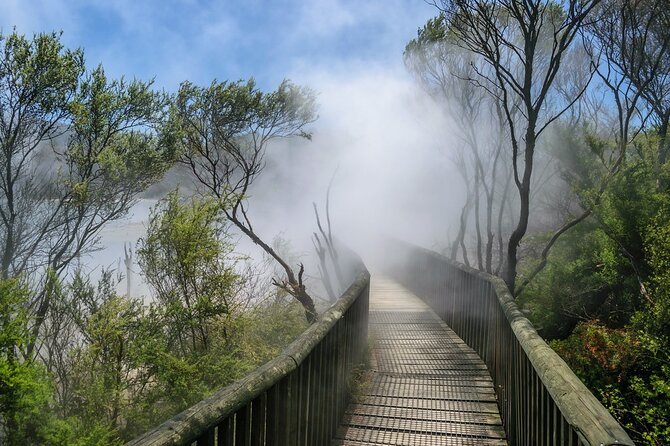
Not every full-day tour includes real variety, and not every variety is useful. Here, the sightseeing blocks help you get your bearings for Rotorua without turning the day into a stop-and-sprint.
You’ll spend about 15 minutes at Lake Rotorua. It’s brief, but you get the big-picture view of the lake that gives Rotorua its character. You’re not hunting for obscure angles; you’re getting your bearings fast.
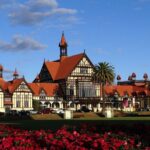
You’ll also make a stop at the Government Gardens. The key detail here is the Elizabethan-style building that dominates the area. It’s now the Rotorua Museum, and the tour notes that it was the first health spa in New Zealand. Even if you don’t go deep inside, the stop helps you understand how “healing waters” shaped the region’s story before it became a modern geothermal destination.
Then there’s about an hour showing Rotorua city sights. That’s long enough to break up the day between geothermal time and your coastal return drive. You’ll pass through different parts of the region, so your day feels like a loop instead of a single straight line.
Tauranga and Mount Maunganui: cruise-port convenience with real scenery
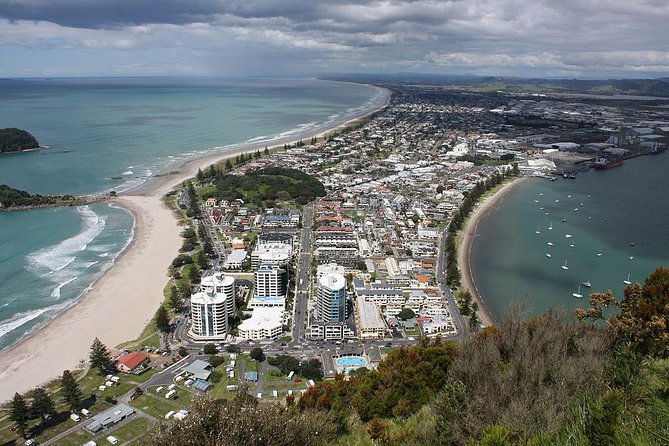
The tour is built around port logistics, with pickup and drop-off at the port of Tauranga. That matters more than it sounds. When you’re coming off a cruise schedule, the ability to avoid complicated transfers is a big quality-of-life upgrade.
You’ll get around 30 minutes in Tauranga as you travel through the growing city and its large port area. Then you head toward Mount Maunganui, driving through one of New Zealand’s popular and expensive beachside suburbs. You’ll have about 30 minutes there as part of the return.
What I like about the coastal section is that it gives you a break from steam-and-sulphur mode. The ocean light and beach scenery reset your brain before you’re back on ship time. It’s also a nice reminder that Rotorua isn’t the whole North Island story.
Kiwi fruit country: the quick Te Puke stop that adds flavor
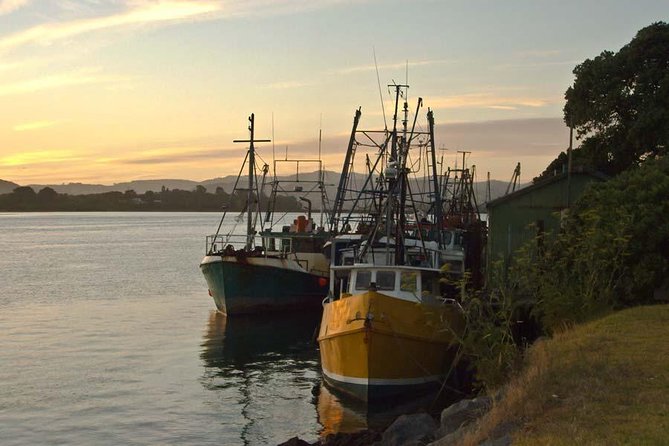
On the way, you’ll travel through the world capital of kiwi fruit—Te Puke and the surrounding area. This region produces a stated 85% of New Zealand’s kiwi fruit crop, and the tour includes a pass-through stop tied to that agricultural identity.
You don’t go touring orchards for hours here. Instead, it’s a brief “you’re in the right part of the country” moment. For food lovers, it’s a fun contrast to geothermal Rotorua: same general region, totally different vibe.
If your day already feels packed, these short agricultural stops are useful because they keep variety without stealing time from the main attractions.
Group size, guides, and what to expect in real life
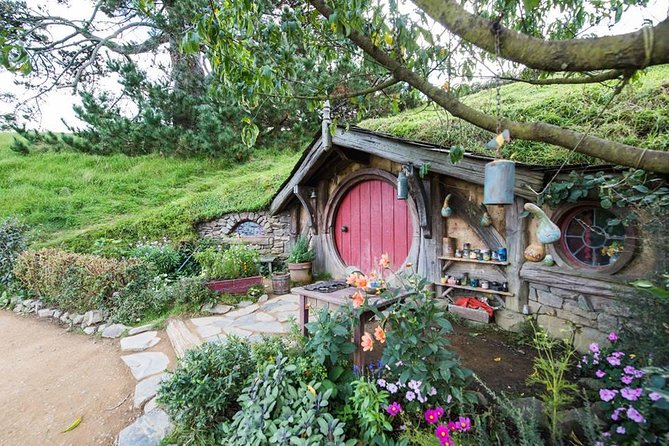
This tour runs with a maximum of 20 travelers, which is one reason it often feels better than big-vehicle cruise excursions. Smaller groups generally help with questions during guided portions—especially at the village, where understanding matters.
Your guide makes a difference, and this operator seems to attract people with strong local ties. Names that show up in the guide feedback include Richie, Jack, Peter, Brian, Charlie, Suskia, Alistair, and Grahame—many described as friendly, funny, and deeply connected to local history and culture. You’ll usually get more than facts here; you’ll get stories that help you picture daily life.
One caution: while your tour size is capped, the living village operation can get busy. In some cases, larger crowds may be present at the destination, and that can affect how close you can get to hear your guide well. It’s not something you can control, but it’s worth knowing if you’re picky about audio and space.
Logistics that can affect the day (and how to handle them)
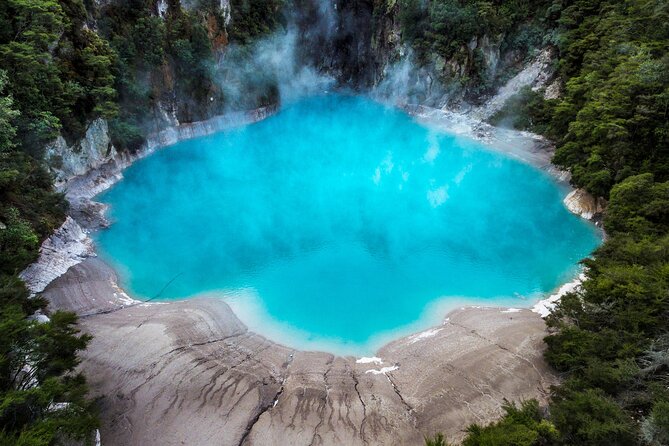
This is an all-weather style tour. It operates in all weather conditions, so bring layers. Rotorua can feel chilly in mist and windy near open areas, and you’ll also be outside around geothermal zones.
Also, the timing of your start can shift. The tour start time is confirmed after booking, and it may change based on early or late ship arrivals and departures. If you’re on a cruise, check your email once you’re confirmed. That matters more than trusting any printed voucher time.
Check in about 15 minutes before the departure time. With port areas, a few minutes can be the difference between smooth boarding and feeling rushed.
Price and value: is $166.93 a fair deal?
At $166.93 per person for roughly 6.5 hours, you’re paying for a full-day guided outing that includes more than just transport. The big value drivers are:
- Village admission included for Whakarewarewa (the main attraction).
- A guided tour through the village with a villager guide.
- A 30-minute Māori cultural performance with Haka.
- A light lunch cooked in the hangi style.
- Port pickup and drop-off plus an air-conditioned vehicle.
So you’re not paying only for “a bus ride to Rotorua.” You’re paying for access and interpretation—plus food—while also collecting a handful of Rotorua and coastal stops.
Could you find cheaper ways to travel the region? Sure, if you’re assembling your own transport and tickets. But if you want a guided, scheduled, port-friendly day that’s built to avoid admin headaches, the price makes sense. The cost is also easier to swallow when you compare it to the price of separate village access, a performance, and a guided day where someone else handles the timing.
For me, the value is best when you treat this as a culture-and-geothermal package, not just a quick stop.
Who should book this tour (and who might not)
You’ll probably love it if you:
- Want a real living village experience rather than a quick photo stop.
- Care about understanding how geothermal energy ties into daily Māori life.
- Want a mix of geothermal, culture, and scenic viewing without planning a thing.
- Prefer a smaller group over large coach crowds.
You might want to think twice if you:
- Get uncomfortable with sulphur smell and steam zones.
- Hate long driving days, because the itinerary includes multiple travel blocks.
- Are extremely sensitive to hearing your guide in a busier destination setting (the village site can combine tours on busy days).
If your priority is only “one quick geyser hit,” you could find shorter options. But for a balanced Rotorua taste plus Māori culture and coastal scenery, this is a strong fit.
Should you book Rotorua Geothermal Living Māori Village?
I’d book it if you want one day that meaningfully connects geothermal reality with Māori cultural practice—then rounds it out with Rotorua views and a coastal return. The biggest wins are the guided Whakarewarewa village walk (with real context), the pohutu viewing opportunity, and the combo of hangi lunch plus the 30-minute cultural performance with the Haka.
Before you commit, just be honest about the trade-off: it’s a long day with a lot of time in transit. If that’s fine for your group, you’re likely to come away with stories you’ll remember, not just a pile of photos.
FAQ
What’s the tour duration for Rotorua Geothermal Living Māori Village?
The tour runs for about 6 hours 30 minutes (approx.).
Where do I meet for this tour?
The meeting point is 1 Salisbury Avenue, Mount Maunganui 3116, New Zealand.
What does the tour include?
It includes an experienced professional guide, port pickup and drop-off, the Māori cultural performance, a free light lunch cooked in the hangi style, and an air-conditioned vehicle.
Is the Pohutu geyser part of the experience?
Yes. You can view the Pohutu geyser from a safe distance as it erupts naturally during the day.
How many people are in the group?
The tour has a maximum of 20 travelers.
What should I wear or bring?
The tour operates in all weather, so dress appropriately with layers. The tour suggests hats and sunscreen.