REVIEW · UBUD
Mount Batur Sunrise & Natural Hot Springs
Book on Viator →Operated by Agung Volcano Trekking · Bookable on Viator
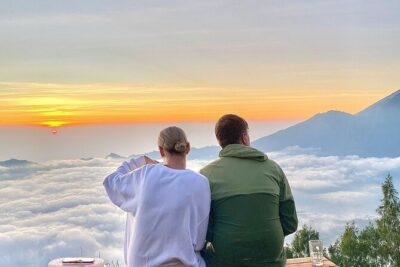
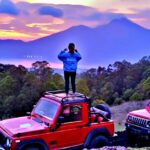
Cold stars, warm steam, great views. This Mount Batur sunrise experience is all about timing: you climb in the dark, then catch the first light over an active volcano. I especially love the photo-first summit setup—your guide helps you get the best angles without making it feel rushed.
Another highlight for me is the breakfast cooked using volcanic steam, paired with the simple, practical fuel you need for the rest of the trek. And when your legs start talking back, you’ll finish with natural hot springs at about 38°C (99°F) in the volcanic valley, which is exactly the kind of payoff you hope for after an early start.
One thing to consider: this is a popular sunrise route, so you may feel the crowd and slow-moving line vibe during parts of the climb.
In This Review
- Key Reasons This Tour Works So Well
- What You’re Really Doing on a Mount Batur Sunrise Day
- Pickup From Ubud and the Start of the Day
- The Night Ascent: Stars First, Then Light
- Summit Views, Summit Timing, and the Photo Reality
- Volcanic Steam Breakfast: Why It’s More Than a Meal
- The Crater Rim Walk: Real Views Require Real Steps
- Valley Jungle Time and a Monkey Encounter
- Batur Natural Hot Springs: The 38°C Reset Button
- English-Speaking Guide and Local Culture Context
- Price and Value: What $17 Actually Buys You
- Group Size, Timing, and the Crowd Reality
- Who Should Book This Tour (And Who Might Skip)
- What to Bring for a Better, Easier Sunrise Hike
- Weather Matters on Mount Batur
- Should You Book Mount Batur Sunrise and Natural Hot Springs?
- FAQ
- How long does the Mount Batur Sunrise & Natural Hot Springs tour take?
- Is pickup from Ubud included?
- What’s included in breakfast?
- Are hot springs entry fees included?
- What temperature are the natural hot springs?
- Do I need a certain fitness level?
- How many people are in a group?
- Do I need to tip?
- What happens if the weather is bad?
Key Reasons This Tour Works So Well
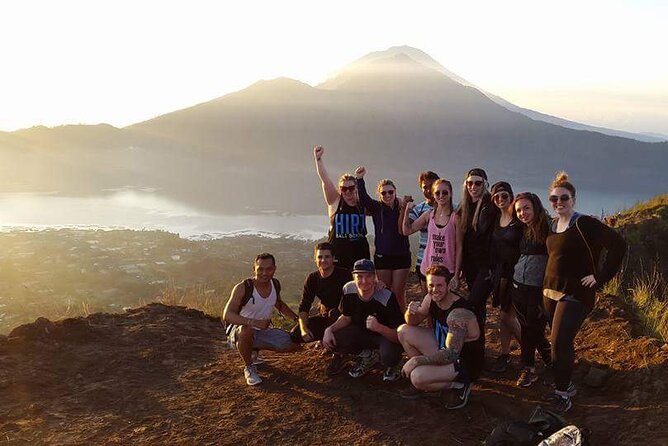
- Sunrise timing with photo help: you get the right spot and guidance for great pictures.
- Volcanic-steam breakfast: included fuel that feels like part of the story, not just a snack.
- Crater rim walking: the views come from actually moving along the rim, not just standing somewhere.
- Valley jungle + local monkeys: you get a change of scenery after the summit.
- Natural hot springs at 38°C: relaxation is built into the schedule, not an optional detour.
- Limited group size (max 25): it helps keep the experience more manageable than mega-tours.
What You’re Really Doing on a Mount Batur Sunrise Day
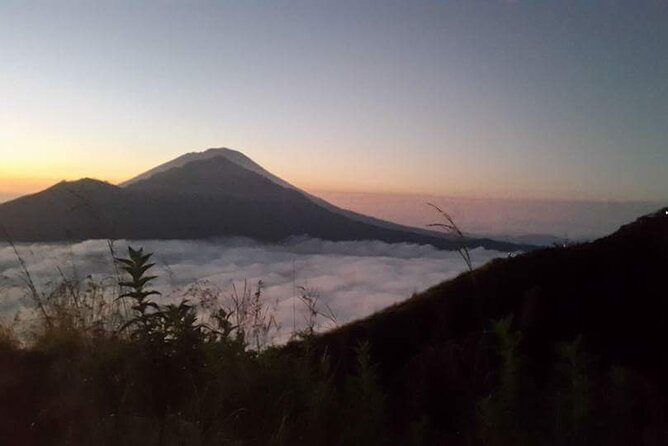
This is a long, one-day volcano outing built around three moments: sunrise from the summit, a crater/rim walk, and then a hot-springs soak to reset your body. It’s not just a hike with a view; it’s a structured day that moves through the main “reasons to go” on Mount Batur.
Mount Batur is an active volcano, and it’s connected to the UNESCO Global Geopark Network. That matters because your guide can frame what you’re seeing beyond the postcard angle—steam, rock, and elevation all tie into how this volcanic region works.
The tour runs about 10 hours, and it’s designed for an early departure from Ubud with pickup offered. You’ll be in the mix from the moment you start climbing, which is why having the right expectations helps.
You can also read our reviews of more tours and experiences in Ubud.
Pickup From Ubud and the Start of the Day
You’ll meet your driver in Ubud and head toward the base of the volcano. From there, you switch to an English-speaking guide who gives you a quick overview and answers questions before you set off.
This setup is practical: you don’t spend your morning negotiating transport or trying to figure out where everyone meets. Since the experience includes an air-conditioned vehicle, you also get a calmer pre-hike ride than the ones that leave you sweating before the climb even begins.
One detail that’s easy to overlook: you’re starting under dark skies. Even if the hike doesn’t feel extreme at first, the early hours can make you feel colder than you expect, so plan for that.
The Night Ascent: Stars First, Then Light
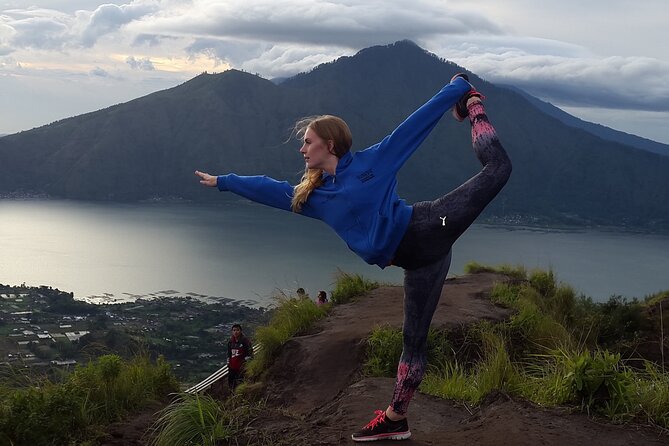
The climb starts bright and early under a blanket of stars. This is when you’ll really notice how the volcano hike is different from a daytime walk—you’re reading your footing, watching the path, and getting used to the rhythm of moving uphill in the dark.
Your guide will point out what you’re looking at and share landscape, history, and culture around the area. That’s useful because a sunrise trip can turn into a silent grind if nobody explains what’s happening around you.
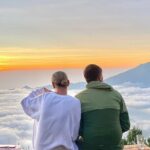
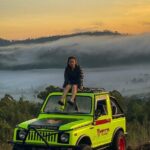
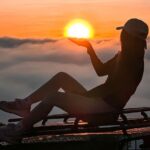
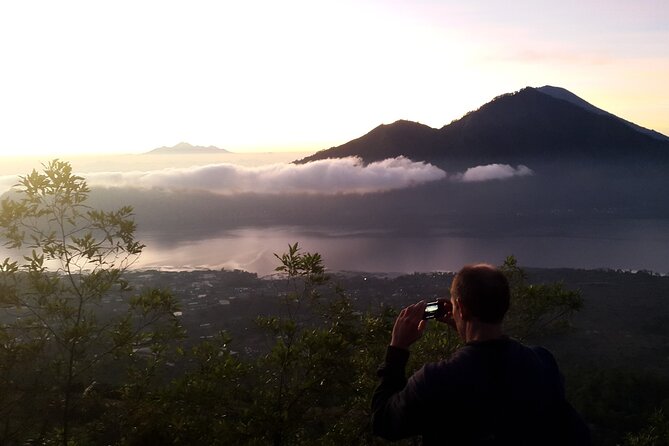
When you near the summit, the plan shifts from “keep moving” to “get ready to look up.” Your guide will offer the best vantage point for photos and help you line up a good shot. If you just want to sit and enjoy the view quietly, you can do that too. No pressure.
Summit Views, Summit Timing, and the Photo Reality
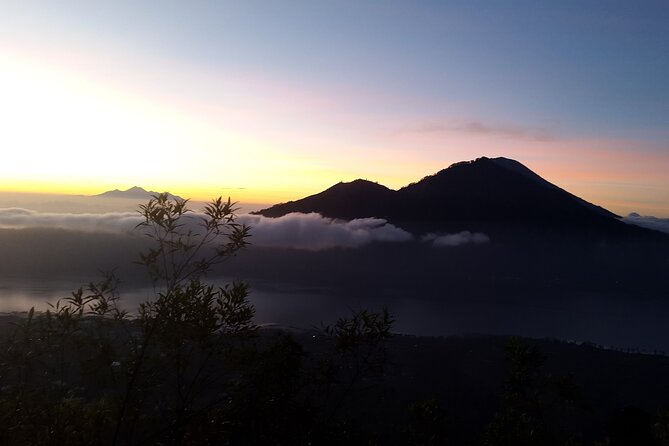
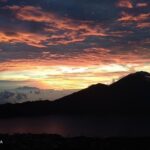
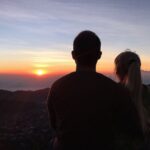
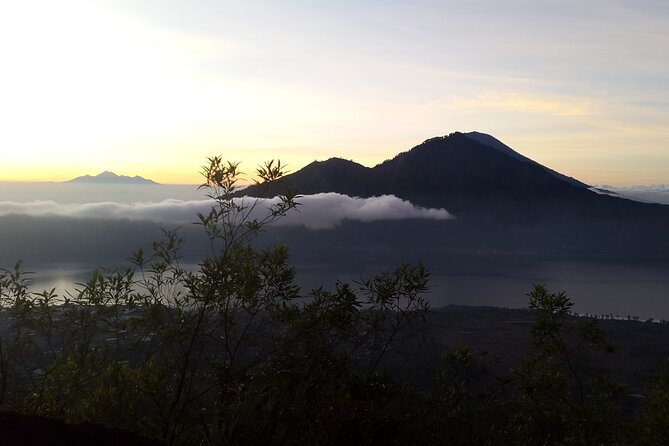
The big win here is the timing: you arrive for sunrise, not after it’s already gone. That’s the whole point of climbing in the dark—soft morning light changes how the crater rim and volcanic valley look, and it usually means more dramatic photos.
But sunrise popularity comes with a tradeoff: the climb can feel crowded at peak moments. If you’re the type who hates waiting, plan to be flexible. The best approach is to focus on your guide’s advice, move with the group when you can, and don’t stress if your pacing isn’t totally independent.
The good news is that your summit stop isn’t just for photos. You’ll be given a meal and beverages to help regain energy before you continue around the crater and head back down. That’s a smarter design than tours that send you onward on empty fuel.
Volcanic Steam Breakfast: Why It’s More Than a Meal
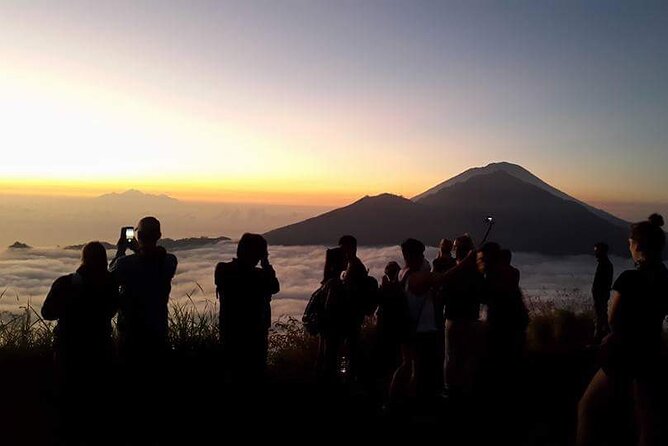
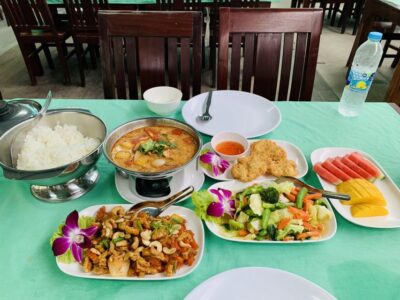
One of the most appealing parts of this tour is that breakfast is included and cooked using volcanic steam. The menu is simple but solid: bread, eggs, banana, water, coffee or tea, and hot chocolate.
I like this style because it feels connected to the place you’re visiting. It’s not a random hotel breakfast dropped into your schedule. It also gives you quick energy before the later parts of the trek, when you’re moving through the crater/rim areas and working your way back down.
Hot chocolate and coffee or tea can feel like small comforts at sunrise time. If you’re someone who gets lightheaded without caffeine, this included drink setup helps.
The Crater Rim Walk: Real Views Require Real Steps
After the summit, you’ll do a trek around the crater and then descend back toward Toya Bungkah. The crater rim portion is where you get that broad sense of scale—the volcanic form isn’t just a background; it’s something you’re walking alongside.
This is also a good stretch to expect some variety. One moment you’re focused on the rim edge and distant views, and the next you’re thinking about footing and balance as the terrain shifts.
Your guide helps you along the way, and the pacing is geared toward moderate physical fitness. The tour is listed for travelers with a moderate level, so it’s not framed as a beginner slog, but it also isn’t described as a technical climbing expedition.
Valley Jungle Time and a Monkey Encounter
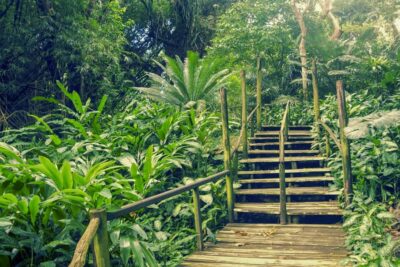
Later, the day shifts away from the crater focus and toward the valley jungle. You’ll trek through the jungle and visit with local monkeys.
This part adds a change of pace and scenery so the day doesn’t feel like one long staircase. It’s also the kind of moment that turns a tour into a memory, because animals and jungle sounds make the whole volcanic setting feel more alive.
Still, keep your expectations practical: the focus is on walking and experiencing the area, not guaranteed wildlife photography. If you’re calm and respectful around animals, you’ll get more enjoyment.
Batur Natural Hot Springs: The 38°C Reset Button
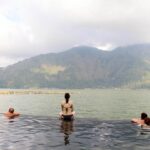
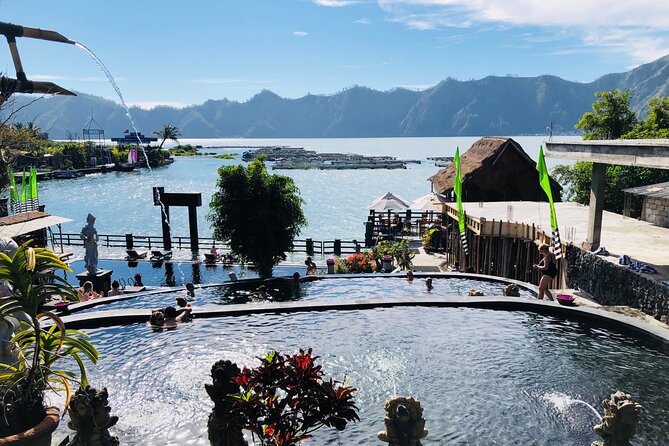
After your descent back to Toya Bungkah, you’ll relax in the natural hot springs in the volcanic valley. The water is about 38°C (99°F), which is warm enough to feel soothing without turning into a scalding soak.
The hot springs stop is built into the experience as a true recovery moment, and it includes towels and juice plus the hot springs fees. That’s a nice value detail because you don’t want to pay extra for basics after a full day.
This is also where you’ll appreciate the schedule design. If the tour dumped you back at the hotel right after sunrise, your day might feel incomplete. Ending with hot springs makes the early climb feel worth it.
English-Speaking Guide and Local Culture Context
This tour is led by an English-speaking guide who explains local culture and history. You’ll hear this context at the start of the trek and again as you climb, which helps turn “I’m walking uphill” into “I understand what I’m seeing.”
In my experience, sunrise tours can go two ways: either the guide is present and helpful, or you’re mostly left to manage your own timing. A guide who offers photo guidance at the summit and provides explanations along the way makes a real difference, especially when you’re doing a sunrise that only lasts a short window.
As a caution, sunrise popularity means some groups feel packed, and that can make guidance feel less personal at certain moments. If you’re very picky about having constant attention from the guide, show up ready to share the experience with others.
Price and Value: What $17 Actually Buys You
At about $17 per person, this is one of the more budget-friendly ways to get the core Mount Batur experience: pickup, a guide, sunrise summit timing, included breakfast, and hot springs admission.
Let’s break down the value in plain terms. You’re paying for:
- transport (air-conditioned vehicle with pickup offered from Ubud),
- a guided early morning volcano trek,
- included food and drinks (breakfast plus beverages at the top),
- included hot springs access with towels and juice,
- all fees and taxes.
Tipping isn’t included, so you’ll still want to budget a little extra at the end if you feel the guide earned it. But even with that, the package is designed so you aren’t surprised by multiple add-on costs.
Also note the tour has a maximum of 25 travelers. That matters because it often reduces the “herding cats” effect you can get on very large sunrise hikes. It won’t erase crowds entirely, but it helps.
Group Size, Timing, and the Crowd Reality
This is a sunrise hike on a major volcano. That means you can expect other people in the same early hours. One review-style caution points to long lines and a slow, line-at-a-time pace during the climb, with a guide who wasn’t very useful in that moment.
So here’s my practical advice: treat the sunrise climb like a group event, not a private escape. Your best strategy is to focus on the experience sequence—summit, photos, then the crater walk—rather than trying to rush to beat everyone.
The upside is that with a max group size of 25, the crowd pressure may stay within a manageable range. If weather is good and the guide is on point, sunrise photos and hot springs still feel like a strong payoff.
Who Should Book This Tour (And Who Might Skip)
I’d point you toward this tour if you:
- want a full sunrise-to-hot-springs day without planning the stops yourself,
- enjoy guided explanations and not just scenic walking,
- can handle early starts and a moderate physical pace,
- like the idea of a volcano-themed breakfast instead of a generic meal.
You might look for an alternative if you hate crowds, want total quiet at sunrise, or get annoyed by slow moving lines. This isn’t marketed as a private or off-the-beaten-path sunrise.
If you’re traveling solo, this can be a good fit because pickup and guide structure reduce stress. If you’re in a group, the limited size helps keep coordination easier than the biggest buses.
What to Bring for a Better, Easier Sunrise Hike
The tour data doesn’t list specific clothing gear, but sunrise hikes always reward simple preparedness. I strongly suggest you bring:
- a warm layer for the early dark hours,
- decent footwear for uneven ground,
- a small water/energy backup if you’re the type who runs low,
- a light rain layer just in case weather shifts.
Also, arrive with the mindset that your day is structured: you’ll be fed at breakfast and again with beverages at the summit, then you’ll soak after the descent. Pack around that schedule so you’re not carrying unnecessary extras all morning.
Weather Matters on Mount Batur
This experience requires good weather. If weather is poor, the tour can be canceled, and you’ll be offered a different date or a full refund.
That’s important because sunrise on a volcano isn’t something you can force. Cloud cover and visibility issues can turn the climb into a lot of walking without the payoff you came for. If you’re flexible with dates, that helps a lot.
Should You Book Mount Batur Sunrise and Natural Hot Springs?
Yes—if you want the classic Mount Batur day done in a structured, low-stress way. The combination is hard to beat for the money: sunrise summit timing with photo guidance, a truly distinctive volcanic steam breakfast, and then 38°C hot springs to recover.
I’d especially recommend it if this is your first Mount Batur outing and you’d rather let someone handle the route, the timing, and the included fees. The limited group size and English-speaking guide also make it feel more human than the biggest, least-informative tours.
Only skip it if your top priority is privacy at sunrise or you strongly dislike crowds and waiting. For everyone else, it’s a smart value way to experience active volcano scenery, get a local monkey encounter, and end with a soak that actually feels restorative.
FAQ
How long does the Mount Batur Sunrise & Natural Hot Springs tour take?
It runs for about 10 hours.
Is pickup from Ubud included?
Pickup is offered, and you’ll be collected from your hotel.
What’s included in breakfast?
Breakfast includes bread, eggs, banana, water, coffee or tea, and hot chocolate.
Are hot springs entry fees included?
Yes. The hot springs fee is included, along with towels and juice.
What temperature are the natural hot springs?
The hot springs water is about 38°C (99°F).
Do I need a certain fitness level?
The tour is for travelers with a moderate physical fitness level.
How many people are in a group?
There’s a maximum of 25 travelers.
Do I need to tip?
Tips are not included.
What happens if the weather is bad?
If it’s canceled due to poor weather, you’ll be offered a different date or a full refund.