REVIEW · YELLOWSTONE NATIONAL PARK
Lake Yellowstone Half Day Kayak Tours Past Geothermal Features
Book on Viator →Operated by Shurr Adventures Everglades · Bookable on Viator
Yellowstone Lake from a kayak feels like cheating. You slide out of the calm of Grant Village Marina and paddle into thermal country, with a guide who turns geology into something you can actually see and understand.
What I really love is the close-up geothermal scenery and the way the guide connects what’s happening in the water to the wider park story, so the lake isn’t just pretty. You also get all the gear provided, which makes it easy to show up and move.
The other big win is logistics that don’t waste your morning: you meet right at the water, get fitted on the spot, and head out with dry boxes, paddle gloves, and warm-layer help like dry bags. You’ll also get a group size capped at 8, so you’re not herded like a number.
One possible drawback: this is cold, high-altitude water. Conditions can be glassy and clear one day, then choppy the next, and you’ll want to dress for the cold.
In This Review
- Key things to know before you paddle
- Why Paddling Yellowstone Lake Beats the Boardwalk
- Meet at Grant Village Marina: Gear, Pace, and Group Size
- Yellowstone Lake Thermal Views: What the 4 Hours Really Feels Like
- Stop-by-Stop: Yellowstone National Park, the Lake, and West Thumb
- Stop 1: Yellowstone National Park orientation
- Stop 2: Yellowstone Lake paddling and thermal signs
- Stop 3: West Thumb Geyser Basin from the water
- Cold-Water Reality Check (And How to Dress for It)
- Wildlife Watching Without the Guesswork
- Price and Value: Is $120 Worth It?
- Who This Tour Fits Best
- Should you book this half-day kayak tour?
- FAQ
- How long is the kayak tour?
- Where is the meeting point?
- What is the price per person?
- What should I wear for the cold water?
- Is kayaking gear included?
- Do they cancel if weather is bad?
Key things to know before you paddle
- Grant Village Marina is the easy start: a straightforward meetup right at the water.
- Gear is handled for you: dry boxes, dry bags, splash jackets if needed, and light fiberglass paddles.
- Naturalist-style guiding: guides like Annie, Matt, Spencer, Megan, and Joe are described as patient, funny, and packed with park facts.
- Geothermal views from the water: you’ll see thermal vapor and features without relying on boardwalk crowds.
- Short but real paddling: plan for a few miles of effort, not a drift.
- Weather can change plans: wind and waves can make things more adventurous, and serious storms can force a cancel.
Why Paddling Yellowstone Lake Beats the Boardwalk
If you only see Yellowstone by foot, you miss a whole layer of the story. From the water, geothermal signs aren’t just static landmarks. You’re floating near places where the park’s heat shows up in the air and on the edges of the lake.
I like how this tour keeps the feel relaxed. It’s not a white-knuckle paddle. You’re moving at a human pace while your guide turns what you’re seeing into context: how Yellowstone Lake functions, what feeds the surrounding wildlife, and why the geothermal history matters.
You also get a different kind of access. Boardwalks are great, but they funnel you past the same viewpoints. On this kayak route, you’re close to the action without standing in a line. That alone can make your half-day feel like the highlight you came for.
You can also read our reviews of more tours and experiences in Yellowstone National Park.
Meet at Grant Village Marina: Gear, Pace, and Group Size
The meetup is simple: Grant Marina Road / Grant Village Marina, starting at 8:30 am. If you like tours that reduce stress, this is your kind of plan.
Gear is a strong part of the value here. Your boats come with the basics covered: dry boxes for phones and keys, dry bags for extra layers and cameras, plus water bottles in each boat. They also provide paddle gloves when it gets cold and splash jackets if needed. The paddles are light fiberglass, which helps on a 4-hour outing.
Another practical plus: you can ask for a double (tandem) kayak vs a single kayak before you go. That matters if you’re traveling with a partner, or if you want the easier teamwork option.
Group size stays small. With a maximum of 8 travelers, you’re less likely to lose the guide in a crowd, and it’s easier for the leader to watch skills during takeoff and landings. Guides are certified at a high level too: the tour uses an ACA Trip Leader Certified Guide, which is well above basic guide training.
Paddling pace tends to be steady rather than frantic. Plan on moderate physical effort and decent balance. The good news is you don’t need to be a marathon paddler, and you’re not battling technical rapids.
Yellowstone Lake Thermal Views: What the 4 Hours Really Feels Like
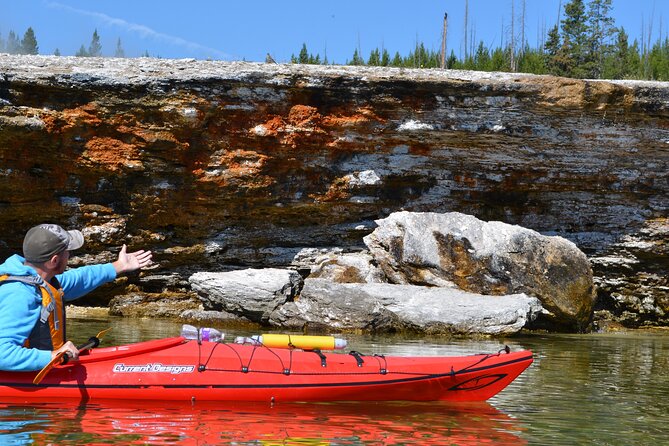
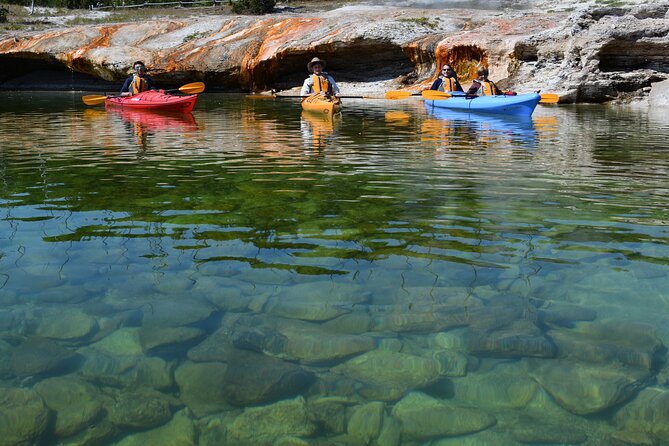
The core idea is right in the description: paddle among and near thermal features, then learn what you’re seeing. The lake’s geothermal zones create vapor and warm water effects that you can spot from the kayak if conditions cooperate.
Expect variety day to day. On calm mornings, visibility can be clear and the thermal signs look almost unreal. On choppier days, everything becomes more work, and you’ll spend more attention on your stroke and balance. That’s not a deal-breaker. It just changes the vibe from scenic and floaty to more hands-on.
From the paddling side, the time usually translates into a few miles of movement. Some groups describe around 4 miles of shore-hugging paddling, and others mention closer to 6 miles on their guided trip. Either way, it’s not a sit-and-sip experience. You’ll get a light-to-moderate workout while still having plenty of chances to look up, point, and listen.
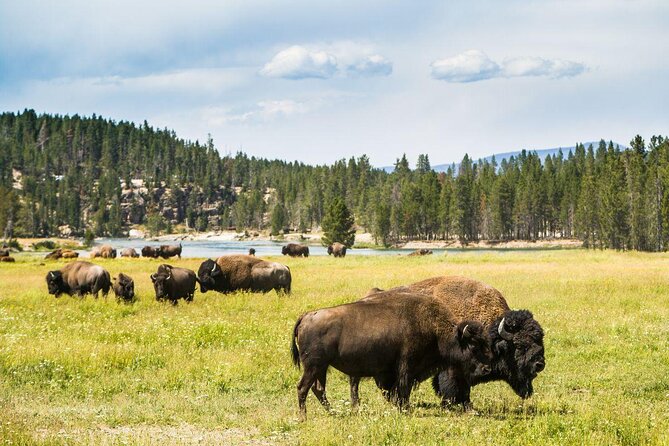
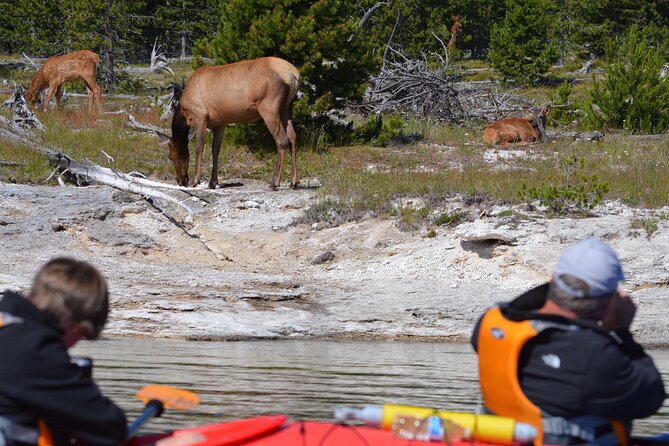
You’ll also be scanning for wildlife as you go. Yellowstone Lake pulls in birds, and the shoreline attracts animals like elk and deer. Every so often, a bear appears in the broader area, and the guides keep an eye out. The tour isn’t sold as a guaranteed wildlife safari, but it’s built for spotting.
A nice bonus is the guide’s storytelling style. People mention guides who are patient with novices and quick to answer questions. Some guides—like Annie, Matt, and Spencer—are described as fun in a way that makes the facts land without feeling like a lecture.
Stop-by-Stop: Yellowstone National Park, the Lake, and West Thumb
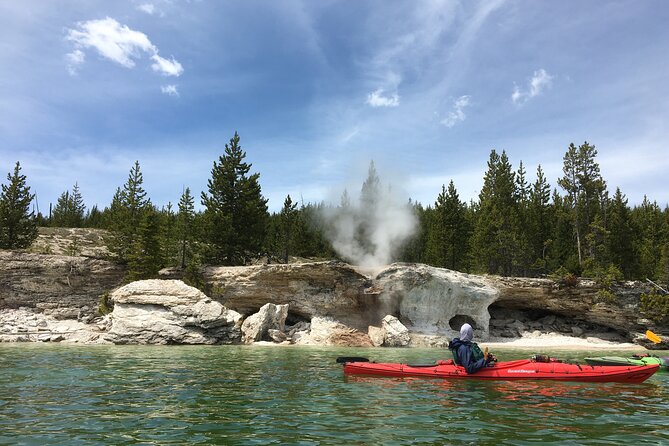
This is a route with three major “chapters.” Each one helps you understand a different part of the geothermal and ecosystem story.
Stop 1: Yellowstone National Park orientation
You start right in the park zone near Grant Village. Before you paddle far, you get the kind of grounding that makes the rest of the trip make sense. This is where the guide’s “naturalist” angle pays off: you’re not just learning names of places. You’re learning how the park’s geology and wildlife connect.
It’s also where you’ll get set up on the water skills you need. Even if you’ve kayaked before, this time is about comfort: getting in smoothly, handling the paddle, and understanding how the group will move.
Stop 2: Yellowstone Lake paddling and thermal signs
This is the heart of the tour. Once you’re on Yellowstone Lake, you’re out in the open where the geothermal story is easiest to see. The lake’s high-altitude cold conditions keep things real, and the thermal vapor is what draws your attention again and again.
Here’s the value: you’re seeing geothermal features from a perspective that most visitors never get. Instead of looking at thermal areas from the side, you’re approaching the area from water level, while your guide explains what created the lake’s ecosystem and why geothermal activity still matters.
A small reality check: sometimes the geothermal vapor is obvious, and sometimes it’s subtle. Conditions play a role, and your guide will help you read what’s there.
Stop 3: West Thumb Geyser Basin from the water
West Thumb is the thermal anchor in the route. From the kayak, you’re positioned to notice geothermal effects in relation to the shoreline and the lake itself.
The drawback here is simple: if wind kicks up, you’ll focus more on paddling and less on fine details near the shore. Still, even on less-than-perfect water, you’re getting a viewpoint you can’t replicate from the ground without waiting out crowds and walking long distances.
Cold-Water Reality Check (And How to Dress for It)
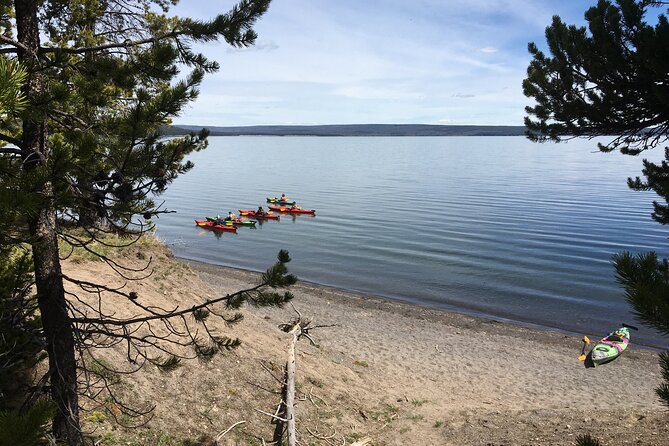
This tour happens on cold, high-altitude water. They even call out that the water is about 38 degrees, and you should bring non-cotton layers plus warm backup like extra fleece. Cotton holds cold and tends to stay wet. If you want to feel comfortable, skip it.
I’d plan for the paddle version of winter: your body is moving, but the wind over cold water can make you feel chilled fast. The tour provides gear support (like splash jackets if needed and paddle gloves when it gets cold), but you still need to dress smart.
A few practical items that help a lot:
- Wear non-cotton layers and pack extra warmth just in case
- Bring water shoes or shoes you don’t mind getting wet
- Bring sun protection. Cold doesn’t stop UV, and Yellowstone sun can be strong
- If you’re bringing your own water, do it. They provide bottles, but having extra is a comfort move
And yes, it can rain or change quickly. One canceled outing happened due to a storm and lightning concerns, and the leadership handled it professionally. That tells you they’re watching safety first, not pushing through bad conditions.
Wildlife Watching Without the Guesswork
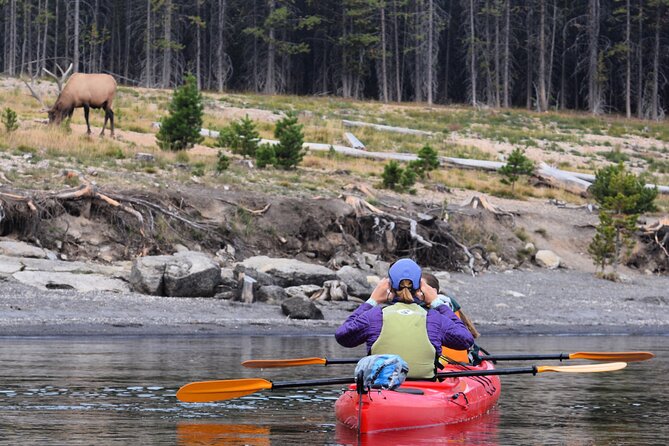
The lake is more than a geothermal stage. It’s also a feeding and watering zone that draws wildlife. As you paddle, your guide will help you spot birds and watch the shoreline for signs of animals like elk and deer.
You’ll want to approach wildlife with a calm mindset. From a kayak, the goal is observation, not chasing. That also means if you don’t see a big animal, you can still feel like the trip is worth it because the geothermal visuals and bird activity stay in play.
The guides seem to balance narration with attention to the group. People specifically mention guides who keep safety and everyone’s comfort front and center, even with kids or new paddlers in the group.
Price and Value: Is $120 Worth It?
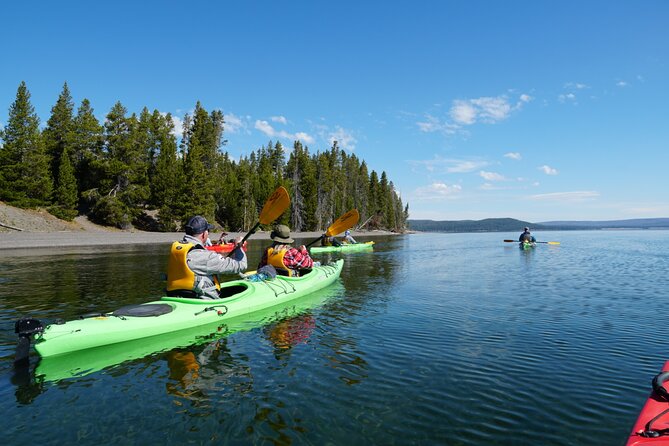
At $120 per person for about 4 hours, this is a mid-range activity in Yellowstone. The best way to think about value is what’s included and what you avoid.
You get:
- A guide who helps you interpret the lake and geothermal features
- All kayak-related gear like dry boxes, dry bags, gloves (when needed), and paddle support
- Snacks and water: cliff bars, fruit leathers, fruit snacks, and other snacks, plus water bottles in each boat
- Small-group attention (max 8)
What you’re buying isn’t just paddle time. You’re buying access to the geothermal features from the water and learning how to connect those visuals to Yellowstone’s ecosystem. That’s the part that makes the money feel justified.
If you were to attempt a kayak rental on your own, you’d likely spend time figuring out gear, cold-water prep, and route safety. Here, the leader handles the hard parts so you can focus on seeing the thermal signs and enjoying the lake.
Who This Tour Fits Best
This tour is ideal if you want Yellowstone’s geothermal side without spending your whole day on boardwalks and crowded viewpoints.
It also fits well if:
- You have moderate physical fitness and can handle a few miles of paddling
- You want a guided naturalist-style experience with stories that connect geology to wildlife
- You travel with family or mixed skill levels and want patience during learning moments
You might consider skipping if you get cold easily or you don’t want to deal with wind and waves. Cold water is non-negotiable here, and conditions can turn a calm paddle into a more active one.
Should you book this half-day kayak tour?
I think it’s a strong yes if you’re going to Yellowstone for the right reasons: geology, wildlife, and getting off the main foot-traffic routes. The combination of small group size, gear included, and the geothermal viewpoint from Yellowstone Lake makes it feel like a high-impact use of a half day.
Book it especially if you’re flexible about weather. When conditions are calm, the scenery can feel almost weightless. When it’s choppy, you’ll just work harder for the same close-up views.
If you’re looking for a gentle scenic cruise with no cold-water reality, this may not be the best match. But if you can dress for the cold and enjoy learning while you paddle, this is the kind of Yellowstone day you remember long after the photos.
FAQ
How long is the kayak tour?
It runs about 4 hours.
Where is the meeting point?
You meet at Grant Marina Road / Grant Village Marina, and the tour ends back at the meeting point.
What is the price per person?
The cost is $120.00 per person.
What should I wear for the cold water?
The water is about 38 degrees, so bring warm layers and use non-cotton layers. Extra fleece can be helpful. You’ll also want water shoes or shoes you don’t mind getting wet.
Is kayaking gear included?
Yes. You get dry boxes for phones and keys, dry bags for extra layers and cameras, splash jackets if needed, paddle gloves when it gets cold, and light fiberglass paddles. Water bottles are in each boat.
Do they cancel if weather is bad?
Yes. This experience requires good weather. If it’s canceled due to poor weather, you’ll be offered a different date or a full refund. You can cancel for a full refund up to 24 hours in advance.